Severe droughts are happening around the world, from California to Afghanistan. Let’s take a look at Kenya, where a devastating drought — the worst in many years — is affecting over 2 million people.
1. Climate change is partially to blame.
Droughts are natural, but they’re becoming more frequent and severe. Scientists believe that as our planet continues to warm, extreme weather and disasters like droughts, fires, floods, heat waves and typhoons will keep getting worse.
[Read: Our planet is dying — just ask climate refugees]
2. The drought is destroying harvests and killing livestock, leaving people near starvation.
Many families in Kenya rely on their animals for income and food, and some have lost 70% of their livestock. Children are malnourished and dehydrated. “Sincerely speaking, we have not seen even a single drop of water,” Jenitor, a 19-year-old, tells us. “The situation is life threatening and something needs to be done.”
Hunger has ripple effects. Out of desperation, some girls are engaging in transactional sex in exchange for food and money, leading to an increase in teen pregnancies and diseases.
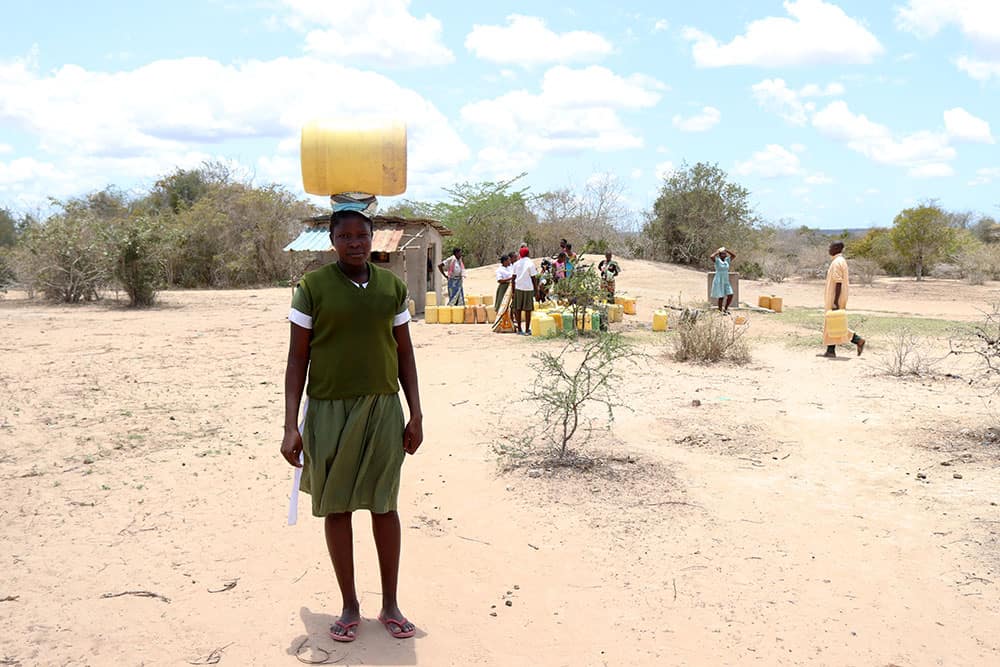
3. The effects of the drought are forcing girls to drop out of school and fueling child marriages.
As families fall deeper into poverty, girls’ futures are sacrificed. The drought has families struggling, and girls are often expected to care for siblings and help make ends meet. “Things have become tough and we need to support our parents whether we like it or not,” 14-year-old Ramla says. “As children, we spend a lot of time working, cutting trees for charcoal or fetching firewood to sell, instead of going to school.”
Desperate families are marrying their daughters off in exchange for dowries (which often include food and money). “My dream of becoming a doctor was cut short, and now I am busy helping my mother with the household chores and working to put food on the table,” says Najma, 12, who fears that she might become a child bride herself soon.
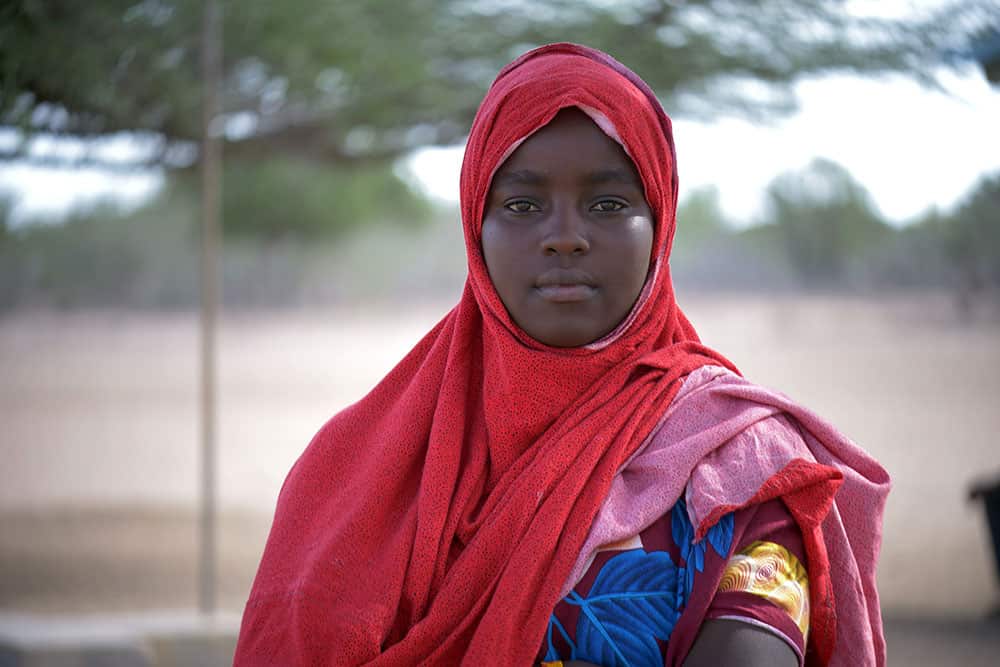
“I think the only option I have is to marry my daughter off,” Najma’s mother admits. “She is a very bright girl, but I have nothing to support her. Many men have come to ask for her hand in marriage. I think in the end I will have to force her into marriage because the burden is too heavy for me to carry.”
This heartbreaking choice would destroy Najma’s future. And she knows it.
“There is nowhere to run to,” she says. “Our parents are selling us in exchange for money.”
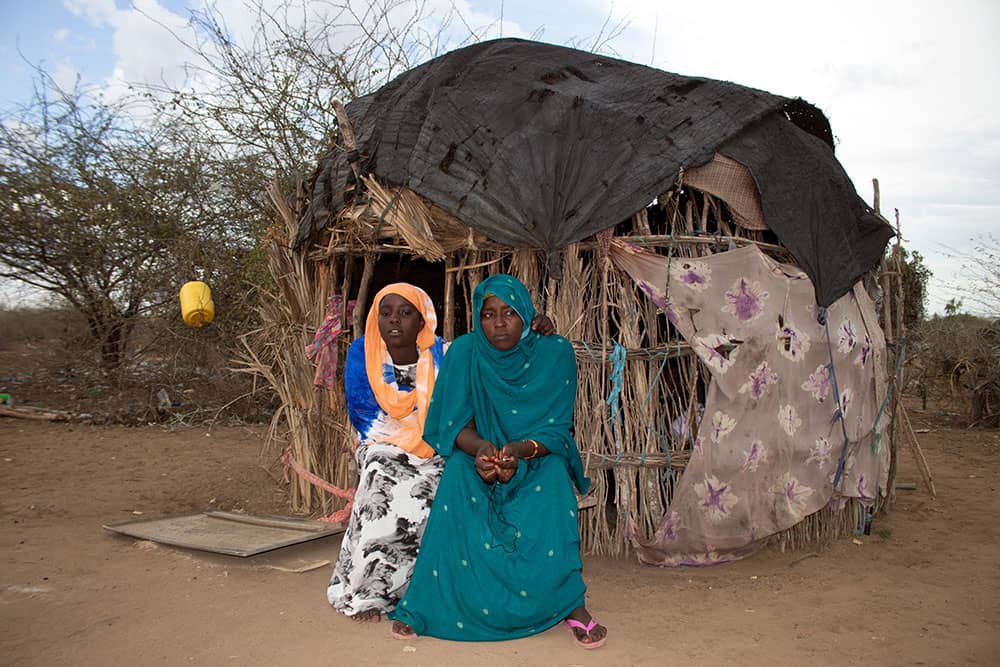
4. Girls have unique health needs that can’t be met without water.
Everyone needs water to be healthy — without it, you can’t stay hydrated or wash your hands to prevent diseases like COVID-19. But girls living through severe drought have an additional health challenge: managing their periods. Without water, it’s very difficult to keep clean and maintain personal hygiene. And poverty makes affording menstrual products impossible.
5. The walk to collect water can be extremely dangerous.
When girls have to travel long distances to find water, they’re vulnerable to sexual harassment or assault. And there are natural dangers, too. Najma was bitten by a snake on her walk. She only has traditional herbal remedies and can’t sleep because of the pain.