Valentine keeps her three adult goats in a small pen in her family’s yard. She hopes to buy two more so that she can expand her business, but her plans are currently on hold.
Running a small farm like this can be a successful endeavor in Burkina Faso — the sale of each goat can bring Valentine as much as 8,967 West African CFA Francs ($16 USD).
But despite Valentine’s progress so far, Burkina Faso, and many countries across Africa, are grappling with the worst hunger crisis seen in decades. Drought has led to a significant loss of crops and livestock. And as a result, inflation is jeopardizing the business that Valentine has worked so hard to establish.
Read: What the war in Ukraine means for Africa
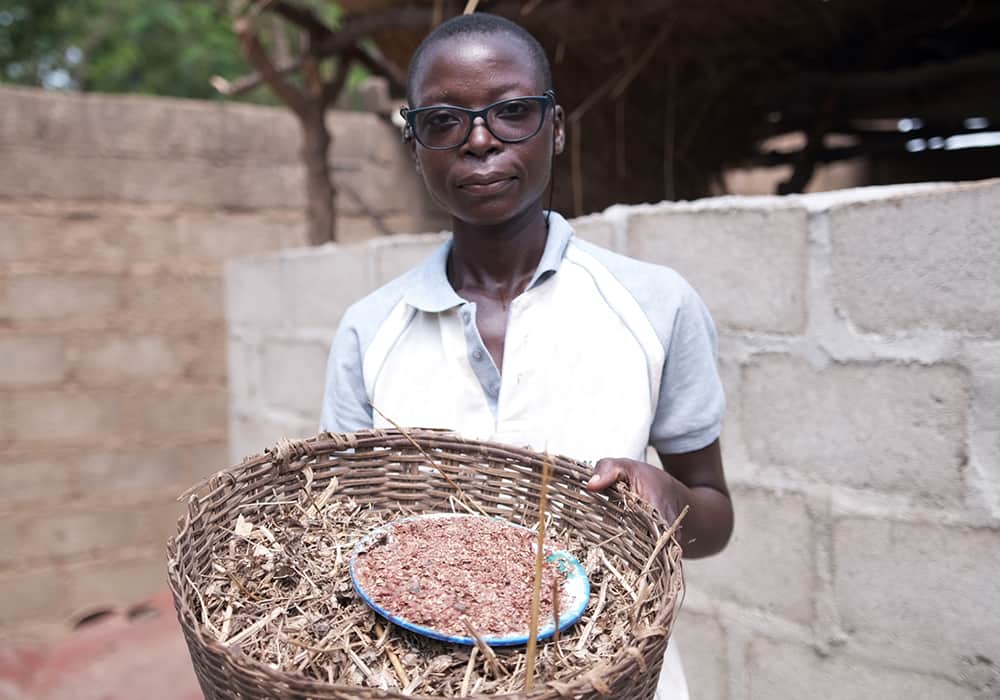
Valentine says that animal feed and medicines for her goats have become too expensive to access.
“I really notice that prices are increasing,” she says. “For example, a dish of corn bran used to cost 500 Francs [$0.84 USD], but now it’s 1,000 Francs [$1.68 USD]. And you can’t even buy in bulk anymore. Sometimes, when you want one or two bags, the seller says that people have already reserved the bags, and he won’t sell them to you.”
There’s also a big gender gap when it comes to inflation. And in low-income countries like Burkina Faso, the evidence of it is even more palpable. Global inflation hit 9% in 2022, but in some emerging economies, rates went up over 25%. In these countries in particular, women like Valentine play a significant role in agriculture and supporting food systems, but they have less access to land and are paid less than men.
And with rising health care costs, this situation for women like Valentine is only more challenging. When she was just 3 years old, she became paralyzed, which affected the left side of her brain. Her disability makes it difficult to walk and use her right arm, and she needs regular physical therapy to prevent muscle weakness.
“I have to work very hard,” she says. “Harder than others. Some people encourage me, but others remind me of my condition.”
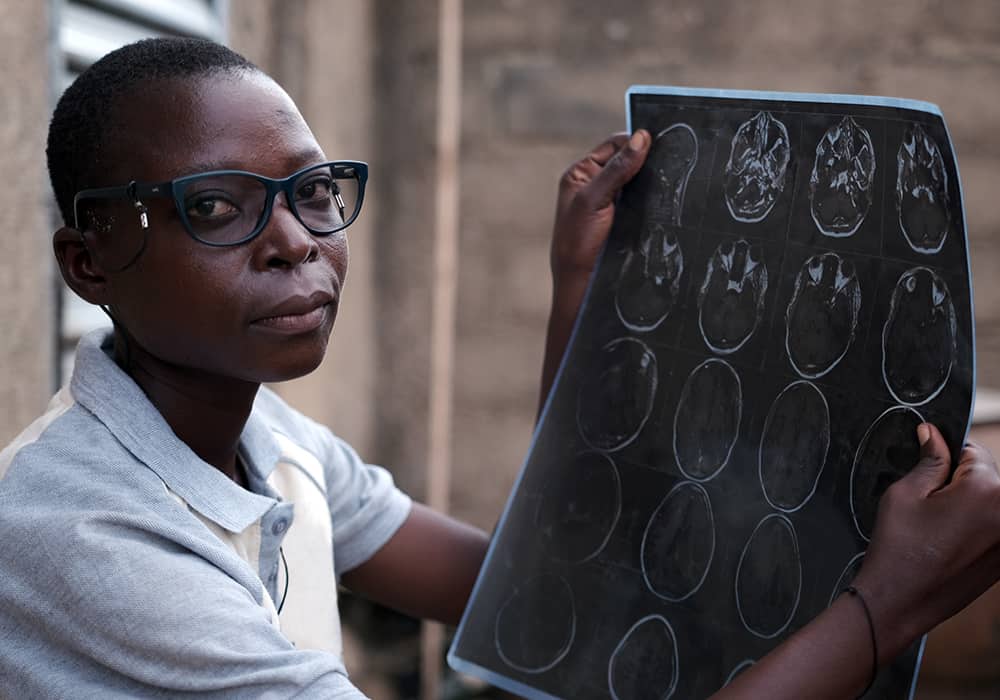
Because of her disability, Valentine had to drop out of school early and didn’t have much hope for her future. She’d always wanted to become a livestock farmer, but wasn’t sure she’d ever have the opportunity. That was, until the beginning of 2022, when she was invited to participate in a series of entrepreneurship trainings from Plan International.
Through the trainings, participants created business plans, and Valentine’s was selected to receive financial support from Plan. Above all, she remembers the encouragement she received from the Plan team, and how they helped her gain the confidence she needed to start a business selling goats.
“They encouraged me to go forward, because life is not always easy,” Valentine says. “You have to fight to provide for yourself.”
Alimata Sawadogo is Plan’s supervisor for the entrepreneurship project that Valentine participates in. She says that Valentine will need more support to see this business thrive.
“Given her situation, I would like the support to go beyond what she has already received,” Alimata says. “We should continue to help her with her livestock activity, so that she can have more animals and also with cash so that she can buy feed, as everything has become expensive on the market. This affects her monthly income. It’s really hard to get by.”
But Alimata also adds that Valentine’s perseverance gives her hope for her future. “When I talk about Valentine, I immediately see a very courageous woman, a fighter,” she says. “I’ve never seen a woman in this condition who fights so hard.”
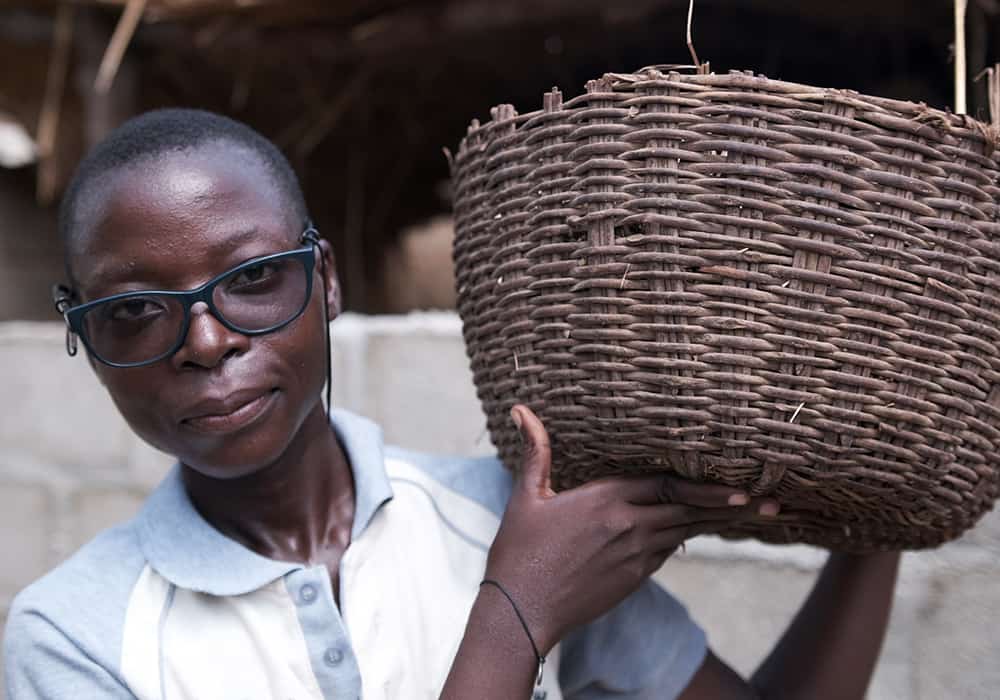
Though Valentine is struggling more than ever to get by because of inflation, she’s keeping her head high.
“It’s true that I didn’t have the chance to go to school, but I can still do something to support myself,” she says. “Even if I don’t succeed today, I know that in the future I will be able to succeed.”