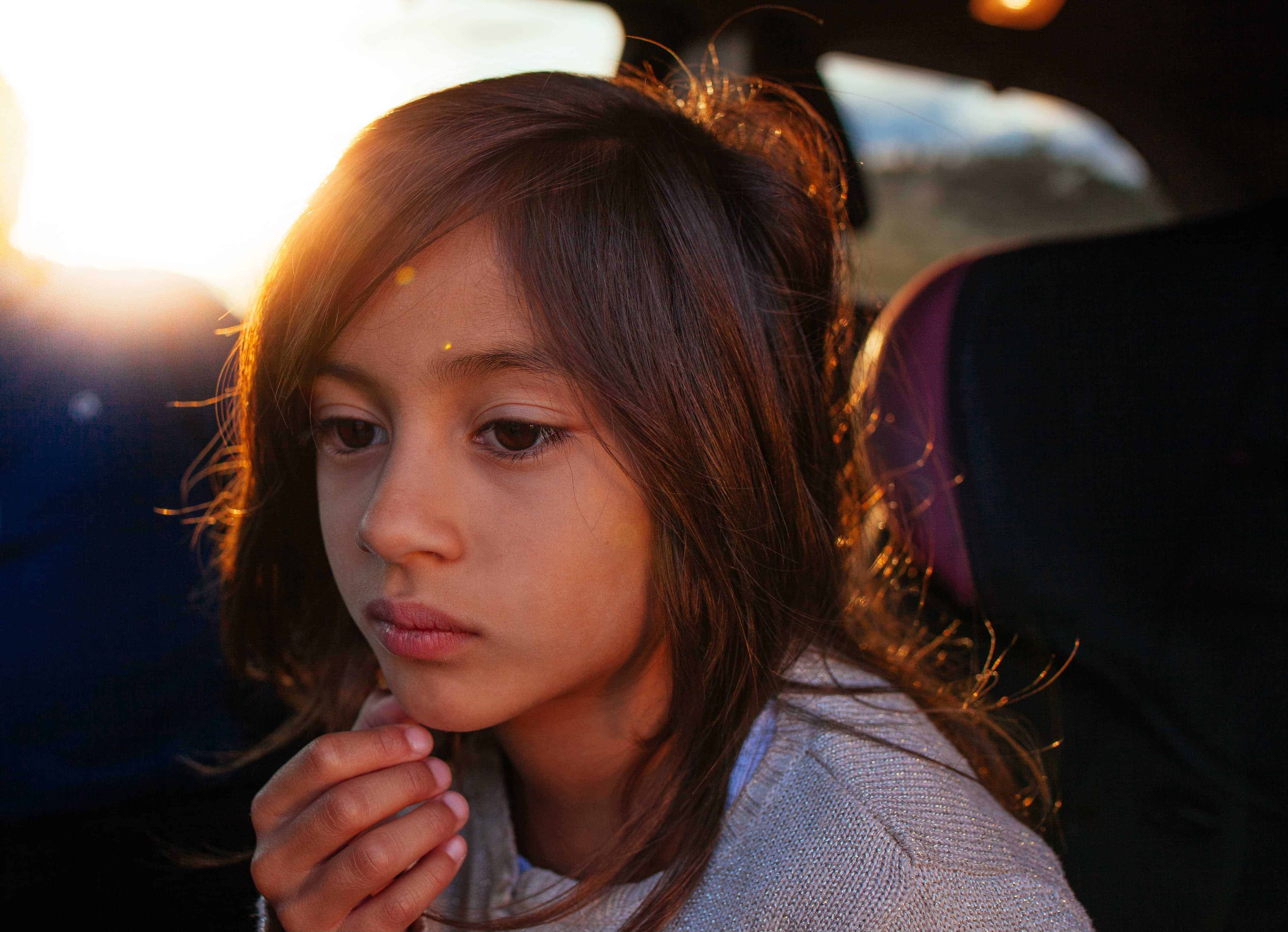
What would you do to protect your family?
This is the question thousands of people across Central and South America ask themselves every year. Under the threat of extreme gang violence, natural disasters that destroy families’ neighborhoods and unstable economies that offer little to no opportunity for young people to succeed, many believe there is only one answer.
Leave.
It’s estimated that there are more than 16.2 million Central American migrants living outside their countries of origin. Neighboring countries and the United States are common destinations. But there are thousands of people stuck in limbo, waiting to hear about their asylum claims, or at checkpoints or in shelters, unsure of the next step on their journey.
The path to a new life for migrating families, especially girls, is checkered with additional threats to their lives.
Adolescent and young girls make up nearly 20% of the female population migrating through the region.
Some are alone — others travel while pregnant or accompanied by other young children.
Mainstream headlines would have you believe that the only problem is an overrun Texas border, but the migration crisis begins well before immigrants and asylum seekers come face-to-face with Customs and Border Patrol agents.
Vulnerable to false promises of a quick and easy ride to the U.S.-Mexico border by smugglers, girls and women face extortion and gender-based violence like trafficking and sexual assault along their entire route.
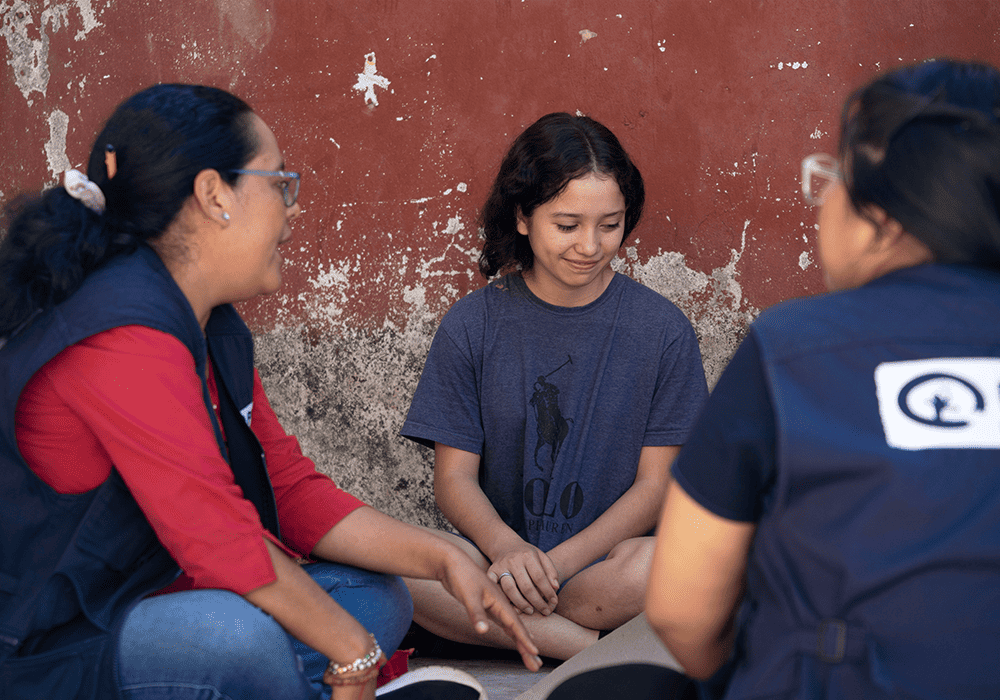
For 14-year-old Miriam from Honduras, who left home with her mother and younger brother, nothing about her migration journey has been easy. Miriam’s family decided to leave after being threatened several times, abandoning everything they had. They traveled by bus and raft with other families through Honduras and Guatemala to Mexico.
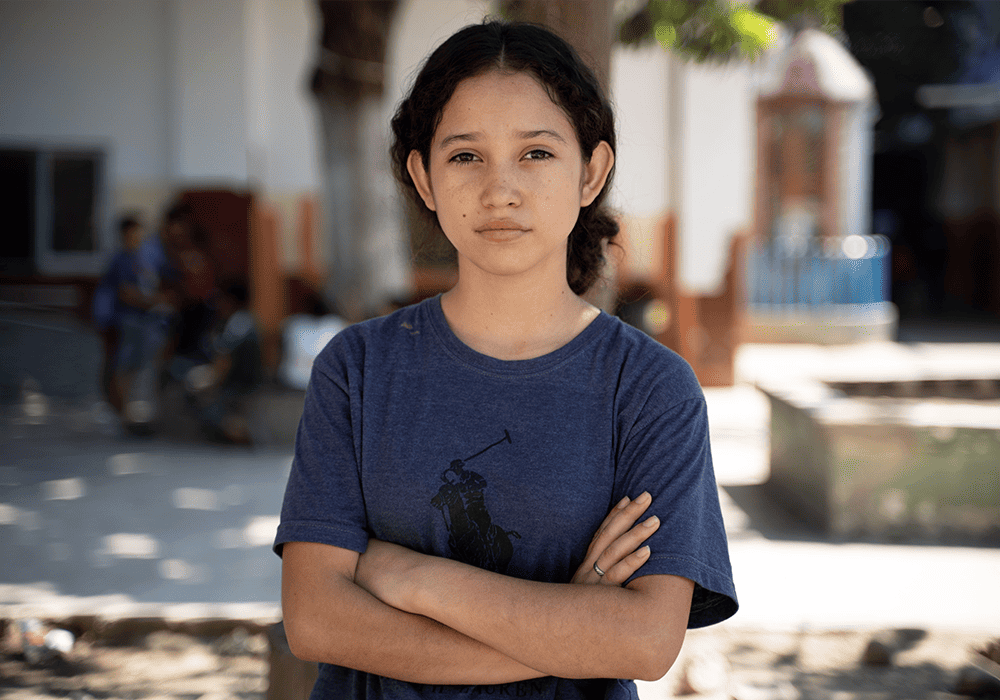
When Miriam’s family reached the Mexico border, an armed man threatened them and demanded money for their passage. After paying him off, they ran into another man who demanded more money.
“One person told us that they were kidnappers, so we started to run and went down a rocky hillside,” Miriam says. “We took refuge in a lady’s garden from five in the morning until nine o’clock in order to lose them.”
After crossing into Mexico, a group of men on motorbikes surrounded them and offered transportation, but Miriam’s mom refused out of concern for her children’s safety. One of the men warned them that there were others up ahead who were waiting for them, so Miriam and her family had to jump down a sewer to escape.
Eventually, they met someone who offered them bread and water, and found a van that took them to a safe shelter where they are currently staying until their next move.
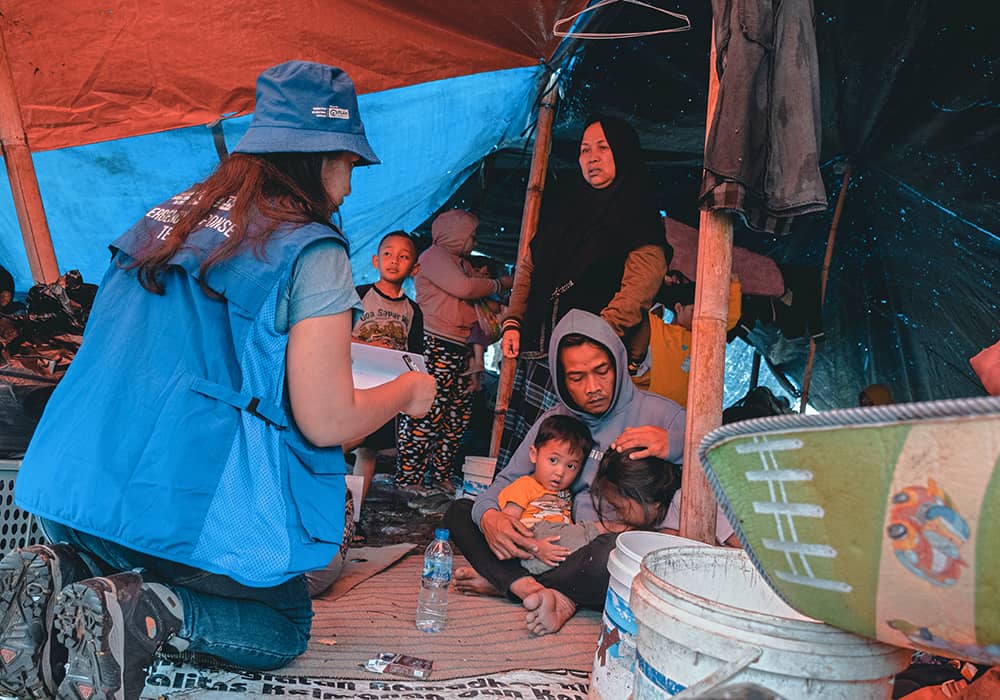
At the shelter, Miriam joined Plan’s Protected Passage project, which is being implemented in Mexico, Honduras, El Salvador and Guatemala.
For Plan, the migration crisis isn’t a political issue; it’s a humanitarian crisis, and we’re focused on providing what girls and their families need to survive and choose their own futures. This includes emergency resources like shelter, food and clothing, as well as child protection training, legal services and supplementary education for out-of-school children.
We’re also working with host communities to destigmatize migration and raise awareness about gender equality to strengthen girls’ and women’s safety, and acceptance for everyone.
The most dangerous crossing in Central America
People crossing into Central America from countries like Venezuela face one of the most dangerous passages in the world: The Darién Gap. This 66-mile stretch of mountainous jungle between Panama and Colombia can take more than a week to pass through (which migrants and refugees often do without smartphones).
Dozens of people die every year trying to traverse this landscape, but because not all migrant deaths get reported, and recovering remains is impossible, the actual toll is likely much higher.
Many don’t know until they get there how unsafe it is. When not preoccupied with avoiding deadly animals living in this area, migrants must also watch out for bandits and armed groups committing robbery and sexual violence against girls and their families.
Carmen, a 16-year-old girl from Venezuela, shared some of her experience traveling through the gap.
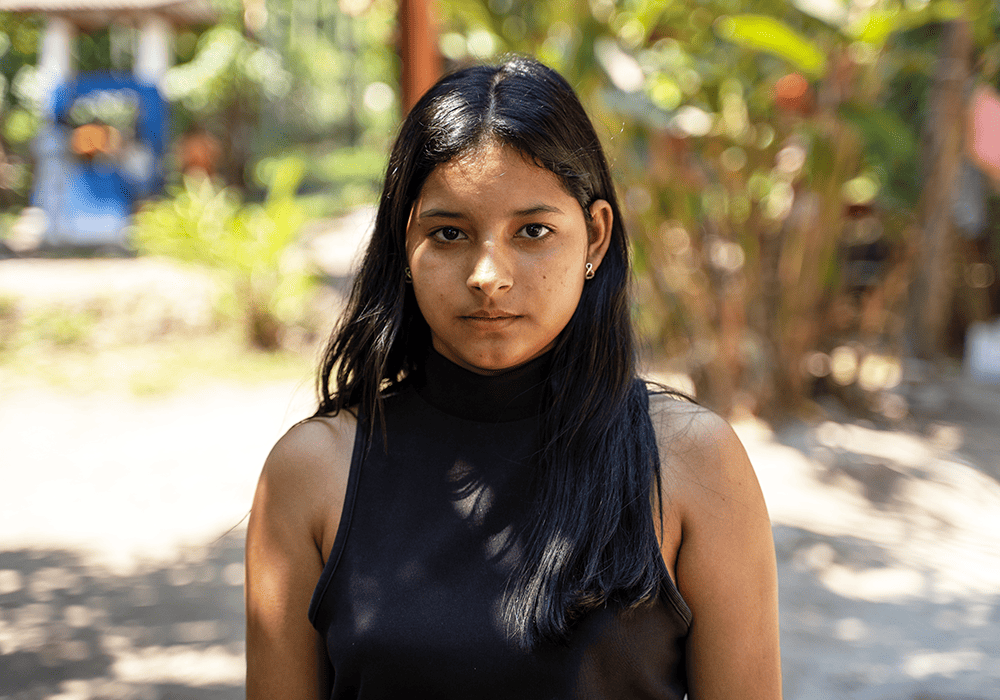
“In the jungle, if you couldn’t pay, [the bandits] would kill you,” Carmen says. “We all got sick and faced many dangers.”
Carmen left Venezuela with her parents and 11-year-old sister to escape violence and economic turmoil that left the family unable to afford basic necessities like food and medicine. They took only their most important possessions with them — for Carmen, these were books, notebooks and her shoes.
But as the days went on and Carmen and her family made their way through the wilderness in the Darién Gap, their belongings got wet from rain and crossing rivers, and they had to abandon everything except one change of clothes.
The family eventually made it to a shelter in Mexico, but Carmen says she struggled to settle in. She misses having privacy, and her journey has left her anxious.
“I think that Mexico is dangerous,” Carmen says. “I don’t feel well protected here, but I know that this is going to be for the best.”
Outside the shelters, Mexico can be particularly hostile to women and girls migrating north. Gender-based violence is rampant — perpetrated by both authorities and civilians — and parents struggle to access resources that keep their children safe and educated, out of fear of deportation or because they don’t know they’re available.
[Read: Adolescent girls in crisis: Experiences of migration in Central America and Mexico]
Another part of Plan’s Protected Passage project is providing mental health support and protection services to children and their families as they migrate, seek asylum or return home. We also strengthen other local organizations so that they can help migrants exercise their rights to education, shelter, health and protection.
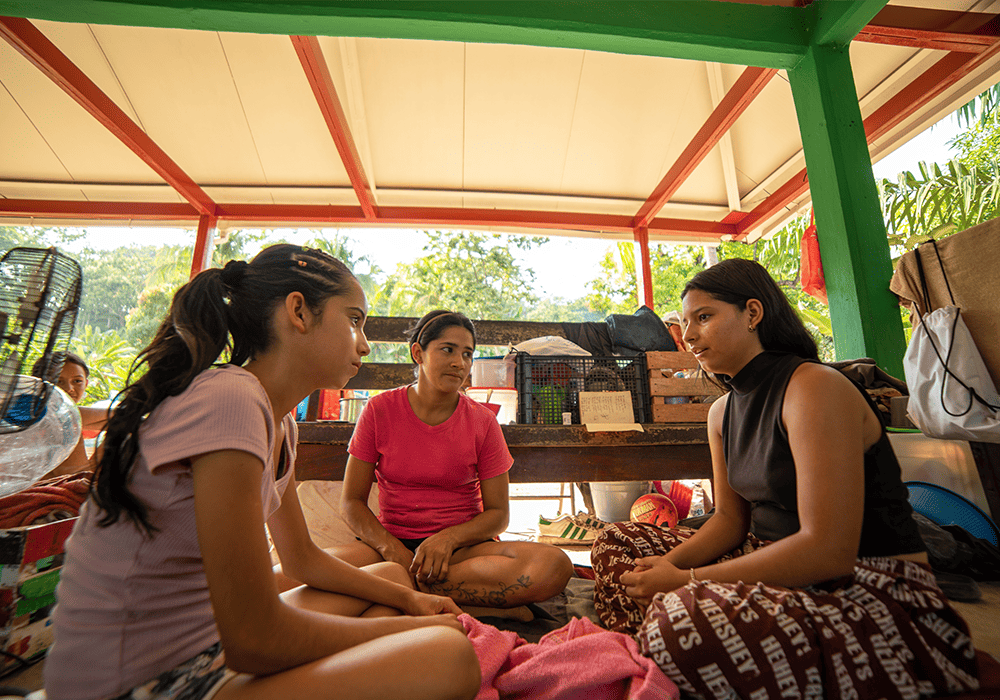
At the shelter, Carmen participates in other project activities like life skills trainings, which has helped keep her spirits up.
“We were asked to write about the things we wanted to do in our lives in the future,” Carmen says. “It was something I had wanted to express for a long time, but I didn’t know how. I learned that we need to take more care of ourselves because of all the dangers we have been exposed to.”
For 17-year-old Francisca, who is also from Venezuela, nothing is more important than making sure her son has the future he deserves. She left Venezuela with her child, her mother and three younger sisters because of the lack of economic opportunity in the country.
“We did not have enough money to buy food or pay for our studies,” she explains.
“To get to Mexico, we had to cross the Darién for five days, and then we took a bus to Guatemala,” Francisca says. “In the jungle, I fell with my son. Then a friend took him to help me. I didn’t see [my son] for six days. I didn’t know if he was dead or alive.”
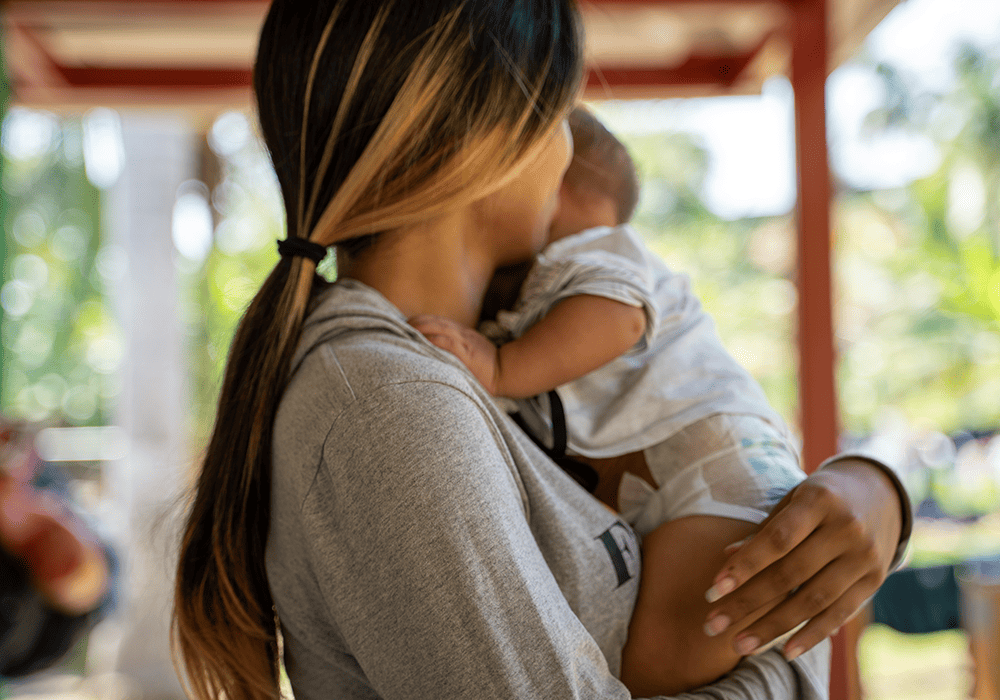
On top of that, her family was attacked by armed bandits who took most of their money and belongings. The violence and insecurity did not stop when they finally reached Mexico. Someone posing as an immigration worker offered to help the family legalize their documents in exchange for money. After receiving payment, the person threatened them and fled.
“In Mexico, I really don’t feel safe,” Francisca says, echoing Carmen’s experience. “In the shelter, yes, but outside the door, no.”
At the shelter, Francisca participates in awareness-raising sessions on violence prevention and gender equality as part of Plan’s programming. She also receives mental health support and access to sexual and reproductive health services.
Right now, all three girls are living in a state of uncertainty. Their lives are on hold as they wait with their families inside shelters, unsure if or when they’ll be able to finish their journey. But one thing is certain: They aren’t giving up on their dreams. We asked the girls what those dreams are.
“To be a doctor, to help sick people,” Miriam says.
“My dream is to become a forensic scientist because I love investigating things,” Carmen says.
“Given the circumstances, I now only have one objective: to get to the United States and give my baby a better future,” Francisca says.
Projects like the one Plan is implementing are vital, not because they lean either way on a political scale, but because they focus on providing all people (especially girls) with what they need to survive and lead the lives they choose for themselves. By supporting our humanitarian work, you ensure girls and young women can exercise their rights and strengthen their well-being and resilience during all kinds of crises.
Names have been changed to protect privacy.