Martha remembers exactly where she was and what she was doing when her world turned upside down.
The 11-year-old was at home, studying for exams.
“When I heard about the shootings, I became scared and started crying,” Martha said.
Clashes between the Sudanese army and paramilitary forces broke out in the capital region on April 15. Initially, the fighting was concentrated around Khartoum, where Martha lived with her father, grandmother and younger brothers. Her mother was away from home, working in another part of Sudan.
From bad to worse
With armed groups taking control of the country, girls like Martha and their families were caught in between gunfire and airstrikes, terrified, and crying out for help. They were trapped while the fighting raged around them. As dangerous as it was to stay, it was even riskier to try and escape.
“I couldn’t be alone for a moment,” Martha said. “I started following my grandmother all the time, even when she was in the bathroom, I would stay near the door waiting for her. I only felt safe when I was with her.”
At first Martha was able to stay in touch with her mother, but the family eventually lost contact as power outages became more common.
“We were speaking to her on phone, but now we are not able to reach her and we don’t know where she is,” Martha said.
As the conflict intensified, food and water became increasingly scarce. Martha’s grandmother decided it was time to join the families making the perilous journey back to South Sudan.
More than 800,000 South Sudanese people were living in Sudan when the fighting broke out. They had fled from their homes in South Sudan to escape civil war. The entire region has been in humanitarian crisis for years, with conflicts destroying infrastructure and exacerbating a hunger crisis sweeping Sub-Saharan Africa.
[Read: The conflict in Sudan is destroying girls’ futures]
Martha was only a baby when her family left South Sudan. Now, a decade later, they had no choice but to return. But this time, Martha was leaving behind her parents, and the only life she’d ever known. Her father had decided to stay in Khartoum to wait for his wife.
“The last time we saw my dad was when he dropped us at the bus station where we and the other South Sudanese families had gathered to make the journey together,” Martha said softly.
A dangerous journey
A majority of those moving country to country in search of protection are women and children — many doing so alone. Girls and young women in particular face extreme violence, including sexual assault, which is often used as a weapon of war.
“We took the bus to Rabak in White Nile state,” Martha said. “On the way, one of the tires exploded, and the sound was very loud. All the passengers started screaming and crying, especially the children, as they thought it was a shooting. We waited three hours for the tire to be fixed.”
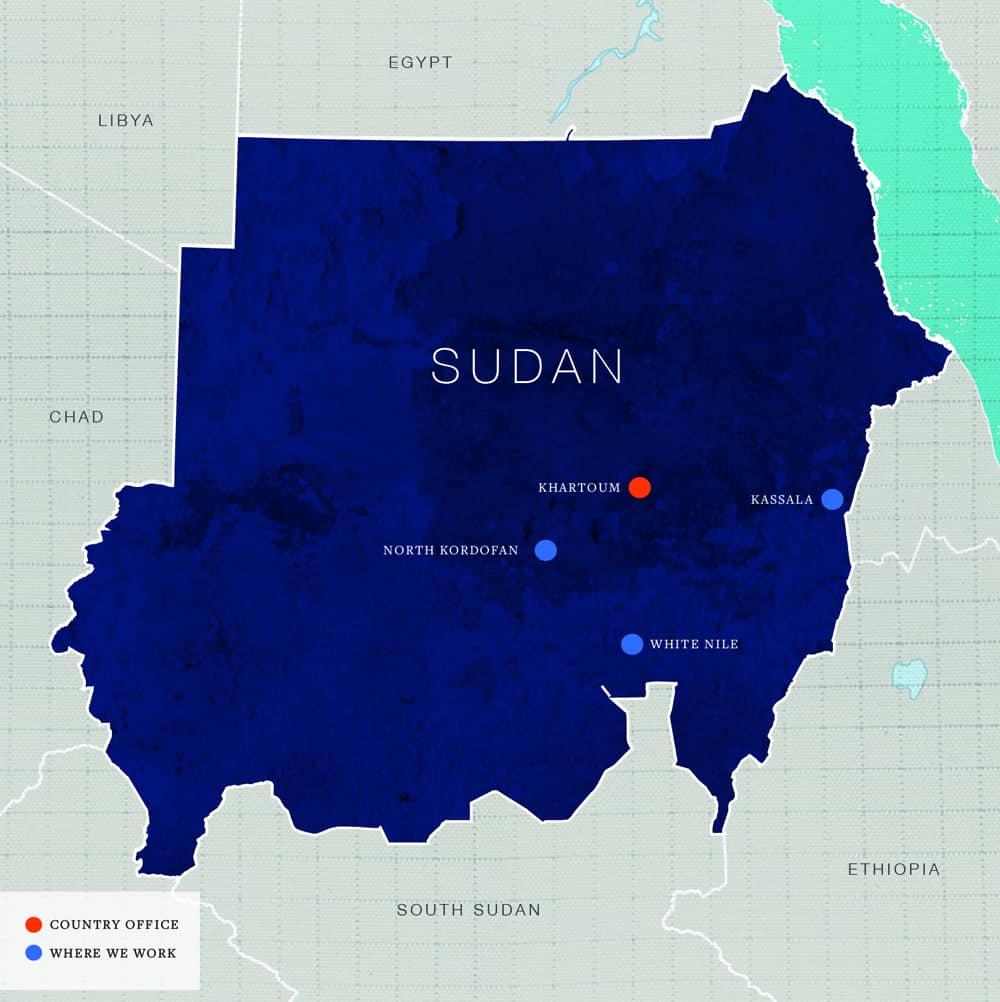
They spent a few days in Rabak before continuing their journey on foot to Joda, where tens of thousands of people were crossing into South Sudan. From there, they took a minibus across the border, to a small town called Renk.
“At the border, the driver kept changing the bus ticket price,” Martha explained. “We did not have the amount he wanted, so my grandmother told the driver our story and how we had escaped from Khartoum. He let us board the bus at a special price because my siblings are very young.… When we reached Renk we were very exhausted and hungry.”
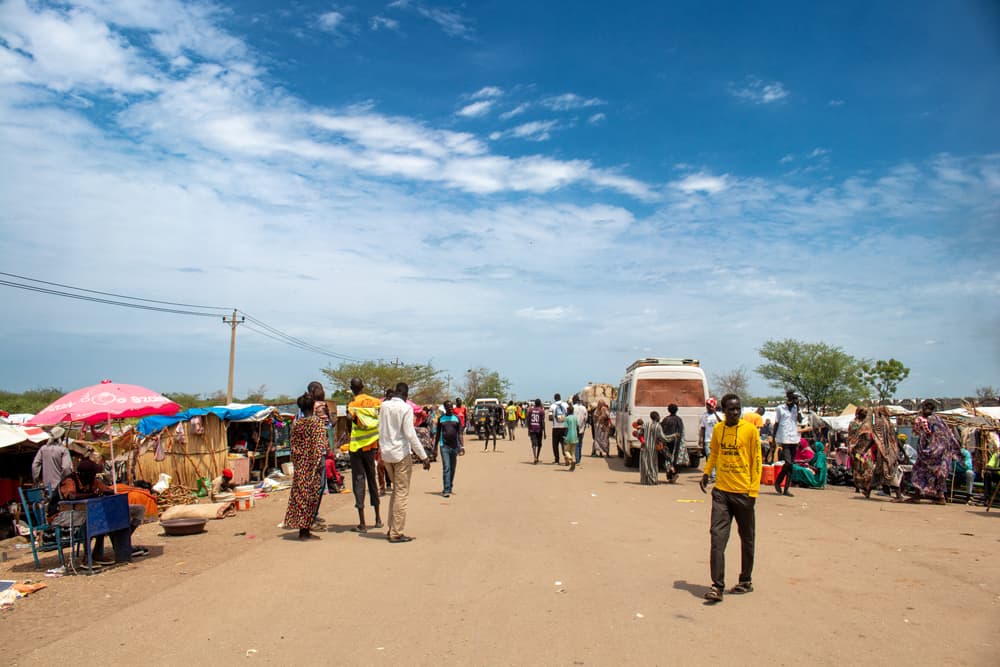
A few days later they moved on to Upper Nile University, where a transit center had been established to provide refugee families with essentials like food, water and blankets.
“As we waited for registration and transport, a lot of people were complaining about the quality of food,” Martha said. “Most of them had diarrhea. My family was also affected. It was very serious, and I saw children dying. No one was supporting them because there is a lack of medicine. I was so scared to lose one of my family here, and I was crying telling my grandmother we had to leave because I didn’t want to die here.”
Eventually, Martha and her family managed to secure spots on a boat transporting people along the Nile to the city of Malakal, their final destination.
“We spent three days on the boat to Malakal,” Martha said. “It was a very long and risky journey.”
A waking nightmare
When we spoke to Martha, it had been weeks since she arrived in Malakal. The long journey was over, but she couldn’t stop thinking about what she left behind – both the good and the ugly.
“Up to now I can’t go far from my grandmother,” Martha said. “Even at night, I sleep with her because I have nightmares. I don’t know if I will ever be able to see my school and teacher again. Talking about this situation, all of us have left our home in search of a safe place. All my friends also left Khartoum and I don’t know where they are. I miss them so much.”
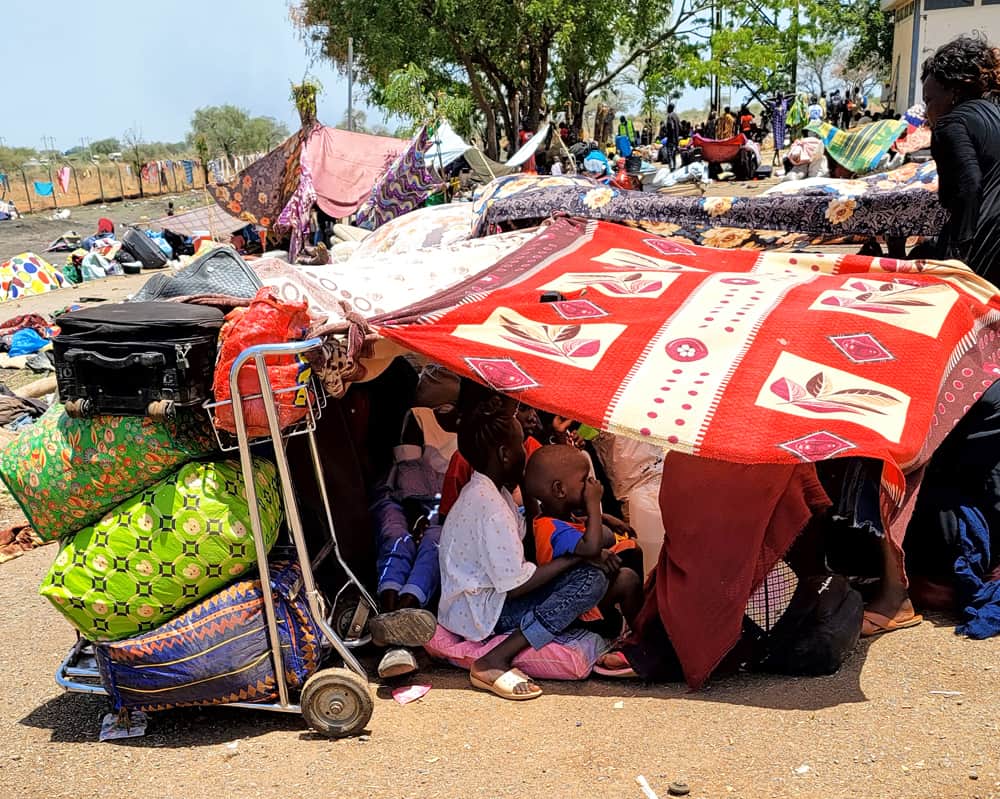
The fighting in Sudan has continued for over five months now, wreaking havoc on girls and their families. Thousands of civilians have been killed and injured, and more than 5.2 million people have had to flee their homes. The pressure on neighboring countries to support refugees is mounting, as 6 million Sudanese people are on the brink of famine — in addition to the increasing violence.
A way to help
Plan International is working to deliver lifesaving assistance to girls and their families, whose lives have been devastated by the Sudan crisis, but we need your help. People who have been forced to flee have left with whatever they can carry – they urgently need shelter, protection, blankets, food, water and medical assistance, as well as emotional care and support. The protection and safety of children on the move is our top priority, especially girls and young women, who are more vulnerable to abuse and trafficking. We help all people in crisis, and with your support, we’ll make sure girls’ needs in particular don’t fall through the cracks.
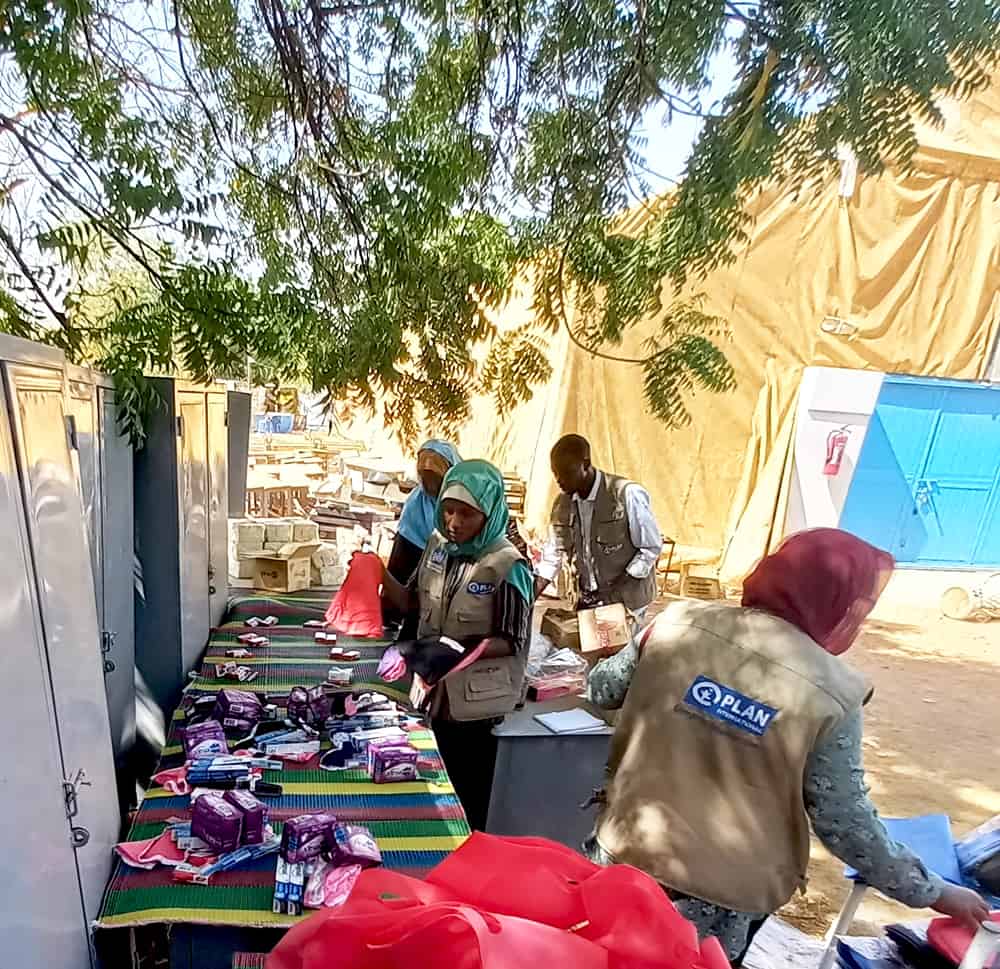
We’re working in Malakal to provide psychosocial support for families, especially children like Martha, who need safe spaces where they can process what they have experienced. In addition, Plan established a help desk to report protection issues, trace family members and reunite children separated from their families.
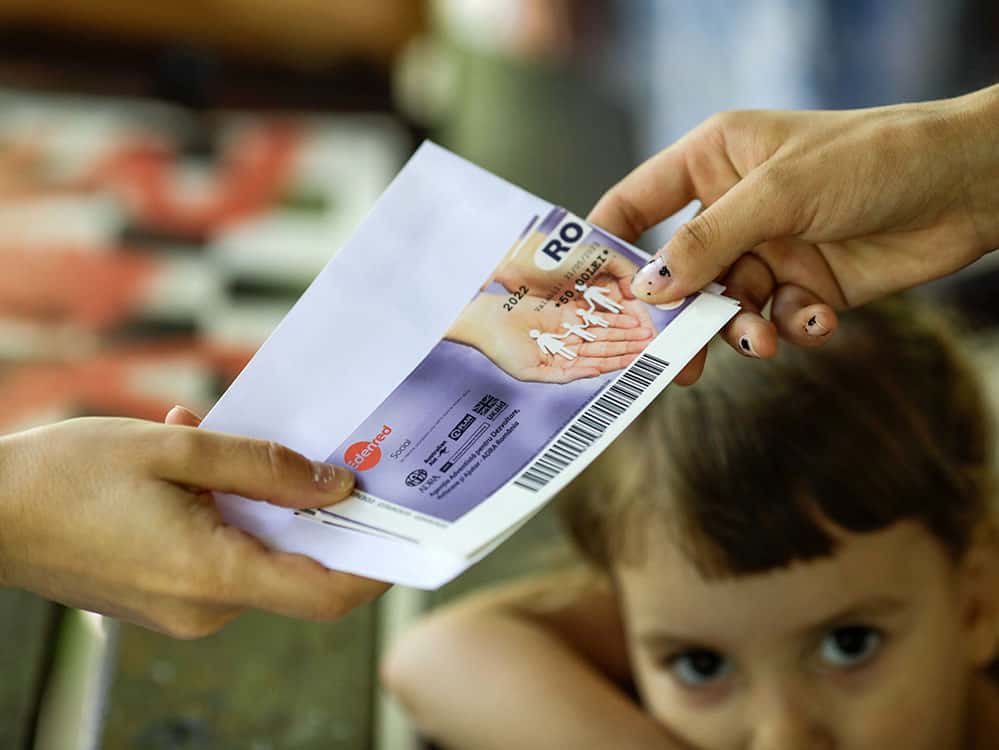
Cash and voucher assistance is another way we’re helping families affected by the crisis. This is an especially useful method in the wake of an emergency, when people need support quickly. People’s needs can vary drastically from family to family – one family might need soap; another might instead need to spend the money on period products for their teenage daughter.
“I hope the fighting will stop very soon and we will go back to Khartoum to see my mom, dad and friends, as well as to continue my education,” Martha said. “Honestly, my mind is telling me to stay here but my heart is telling me to go back. I don’t know what my family will decide but I will follow them.”
Martha’s name has been changed to protect her privacy.