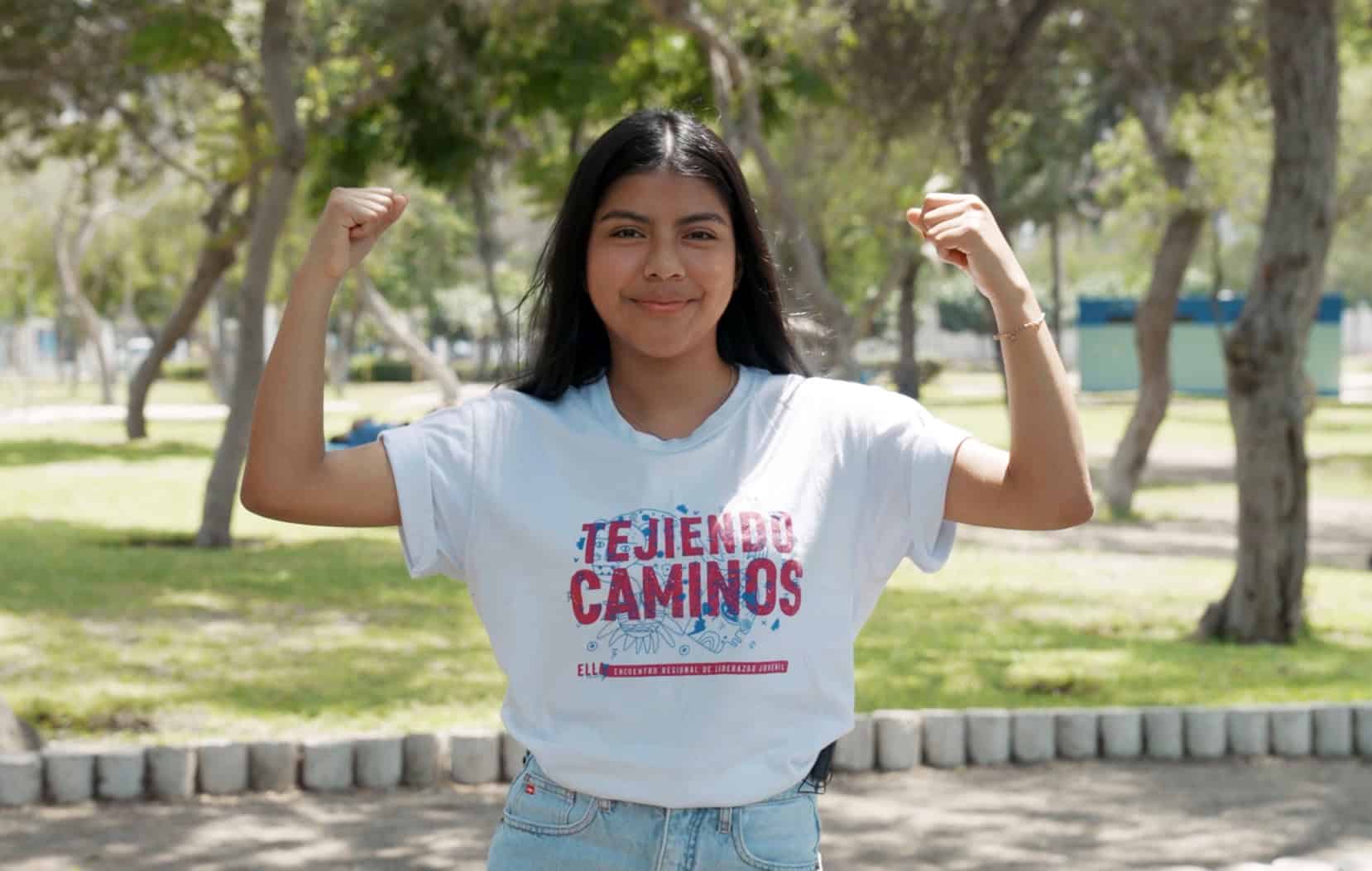
Fernanda, 17, from Lima, Peru, is working toward her dream of becoming a doctor. Through workshops, she gained the knowledge and confidence to make decisions about her future. | © Plan International
“I learned I could say no.”
For seventeen-year-old Fernanda, that realization changed everything.
She’s from Lima, Peru, and wants to become a doctor. But for a long time, her world felt smaller than that.
Breaking the cycle
In her family, becoming a young mother was common. Her mom, aunts and cousins all had children as teenagers, and many had to leave school.
Fernanda saw that pattern clearly — and wanted something different.
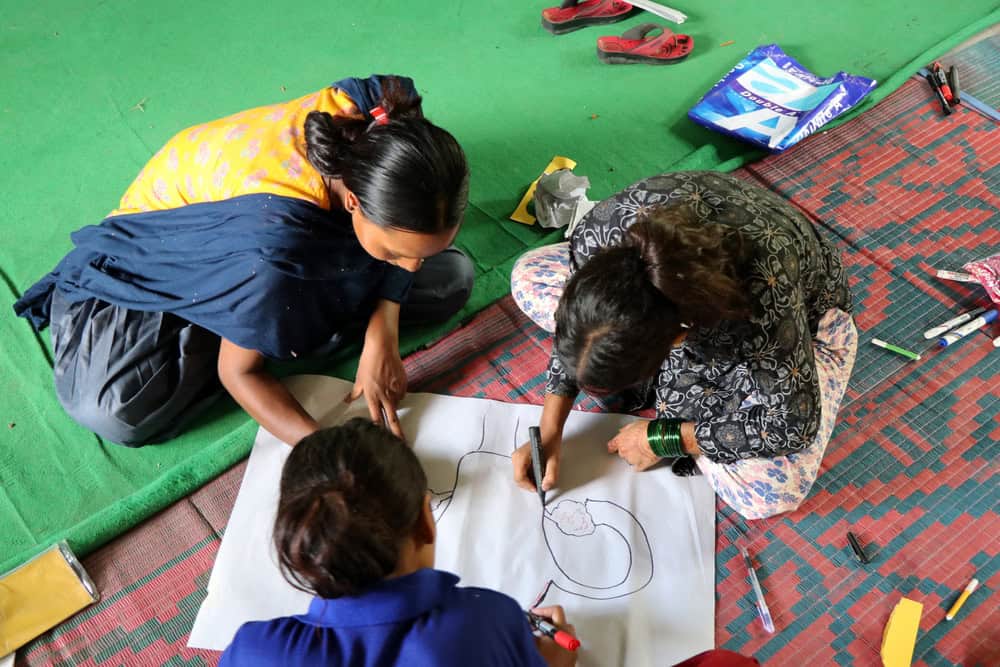
When she joined a Plan International workshop where girls met regularly to talk and learn together, she encountered topics she had never had space to discuss before.
“I barely knew anything about sexual relations or menstruation,” she says. “When I joined, I learned so much more than that; I learned about my rights and my right to say no.”
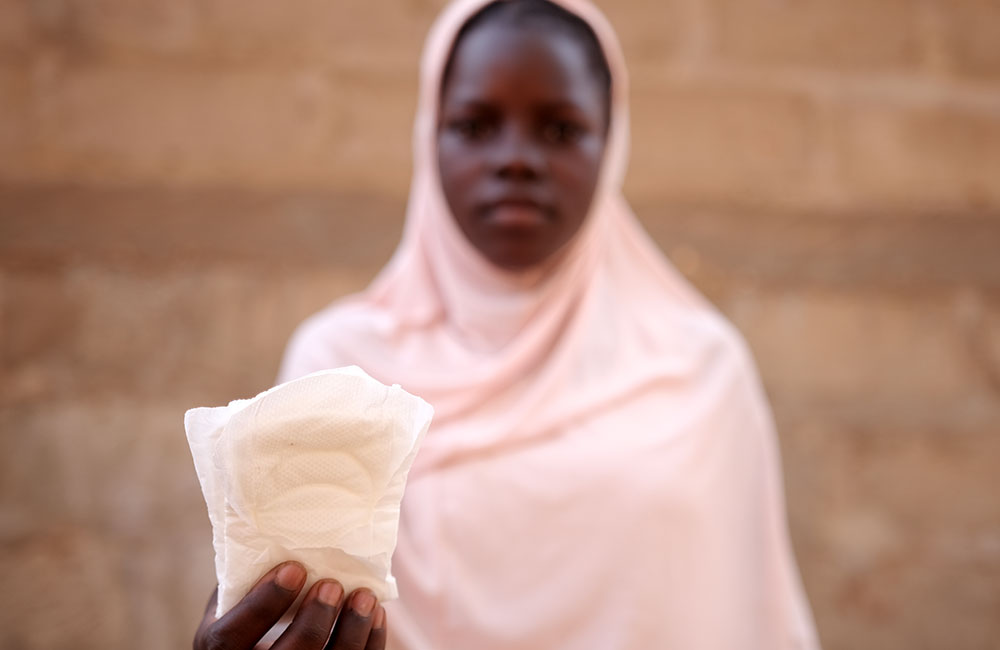
For many girls in Lima, menstrual health is one of those topics — managed privately, rarely discussed and almost never connected to questions of rights or bodily decision-making.
107,000+
girls and women received menstrual health materials through Plan programs in 24 countries in 2025.
Finding her voice
Growing up, Fernanda often dealt with harassment in the street and comments that made her feel uncomfortable and unsure of herself.
Through the sessions, she began to see those experiences differently.
“Plan helped me not to feel intimidated because it’s really not my fault that there are people who make those comments,” she says.
In one activity, the girls practiced saying “no” when something didn’t feel right. It sounds simple — but for Fernanda, it changed everything.
She began to understand that she had the right to set boundaries, to make decisions about her own body and to speak up. That confidence showed up in the room with her.
Learning with others
The workshop brought together girls from across Lima, including many Venezuelan girls and young women who had recently moved to the city.
At first, Fernanda carried assumptions she hadn’t fully questioned. But through shared conversations and time together, those quickly fell away.
“The truth is that none of them were like the prejudices that society has about them,” she says.
They talked, learned and supported each other, and Fernanda began to see past the stereotypes and recognize how much they had in common.
At the same time, she saw the challenges some of her friends faced. Teachers sometimes made assumptions about Venezuelan students before getting to know them. Scholarships and long-term study opportunities often went to Peruvian students first, and some of her friends eventually had to leave Peru to find work or continue their education elsewhere.
Seeing how much a lack of access costs — whether it’s access to information, to opportunity or to being treated fairly — made her more certain about what she wanted to speak up for.
487,000+
young people in 29 countries participated in Plan-supported sessions on health, rights and making informed decisions in 2025 — including 238,000 girls.
Choosing her own future
Today, Fernanda speaks openly about the importance of having access to information and spaces where girls can learn without shame or stigma.
“The lack of these talks might have affected me in some situations,” she says.
Now, she encourages other young people to seek out those conversations — and for adults to make space for them.
“We all deserve a future with opportunities,” she says.
“Information empowers us and helps us to make decisions that promote our well-being. Let’s talk, learn and build a world where no teenage girl has her dreams cut short because of a lack of information or support.”
“I see myself finishing my degree, working in a job I like, doing what I’m passionate about, and feeling fulfilled by everything I’ve achieved so far,” she says. “It’s all part of the journey.”
Support girls like Fernanda
Every girl deserves access to the information and support she needs to make decisions about her own life.
This Menstrual Health Month, learn how your support makes this work possible.