When was the last time you used your birth certificate? Many people lock it in a safety deposit box and don’t think of it again for years.
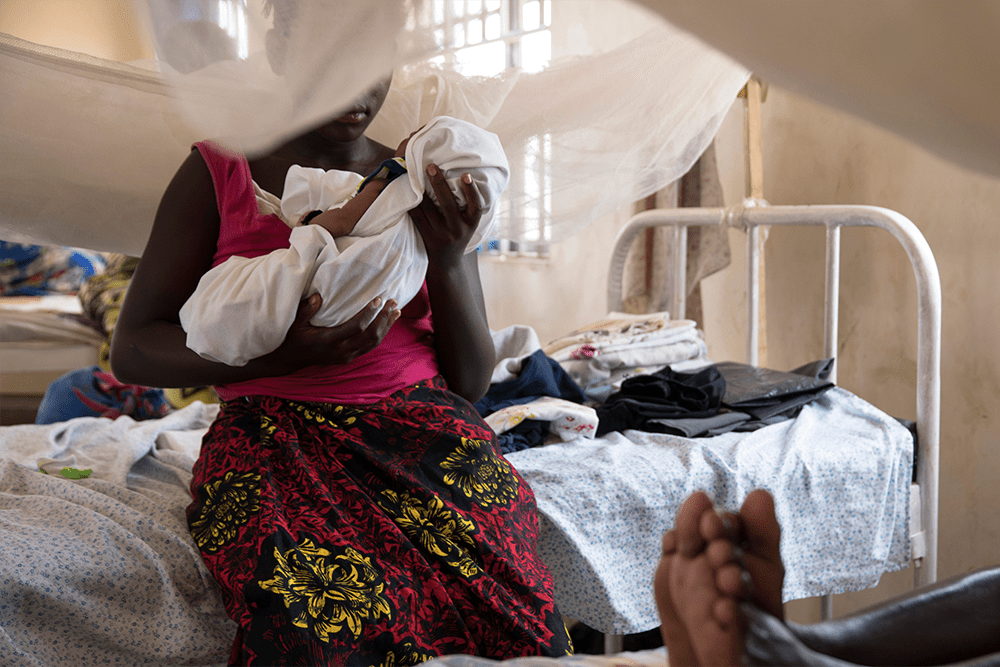
But for refugee girls across the world, proof of birth is much more than just a mere piece of paper — missing a birth certificate can be fatal.
Before we get into “whys” and “hows,” what’s the difference between a birth certificate and birth registration anyway?
Birth registration: The actual process of recording a legal birth with the government.
Birth certificate: The tangible piece of paper that proves the child’s birth was registered. It clarifies who the child’s parents are, where the child was born and is their first proof of identity.
Birth registrations and certificates are interrelated — they’re crucial to help a child access all of their rights.
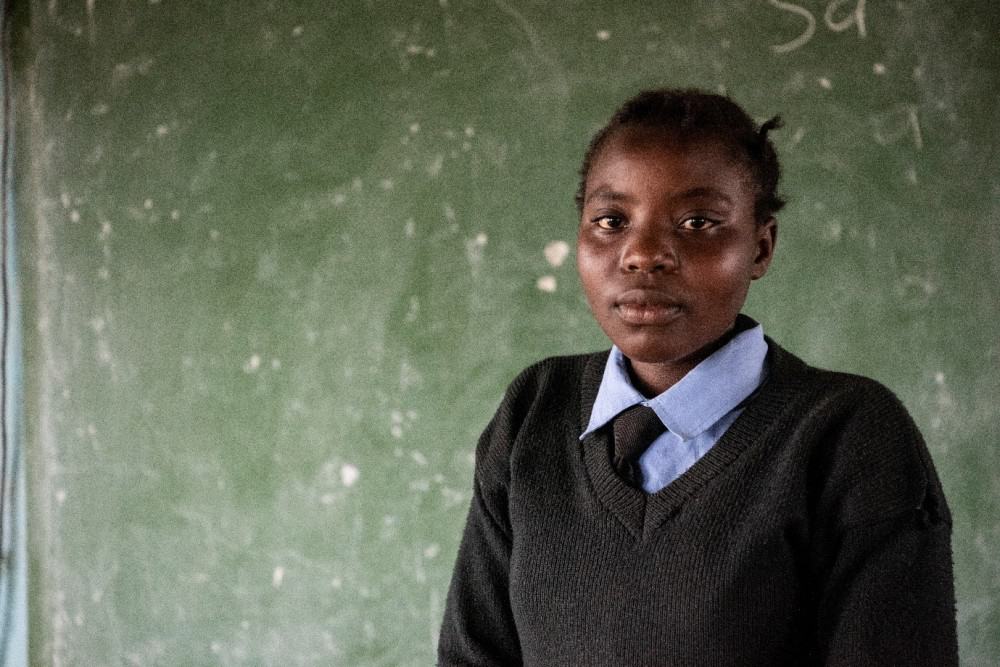
Refugee girls leave home during a crisis without time to collect all of their papers, and without their birth certificates, they’re at much higher risk of exploitation and abuse. Without these seemingly simple documents, girls who have fled their homes aren’t able to prove their age, making it easier for them to be forced into child marriage. In the chaos of an emergency like a refugee crisis, where there aren’t strong protection systems in place, girls are already more susceptible to child marriage. Add a missing birth certificate on top of that and their chances of escaping the fate of a child bride become even slimmer. And, when a girl becomes a bride and is forced to have children as a child herself, she may not even survive — complications during pregnancy and childbirth are the leading cause of death for girls ages 15-19 who live in lower-income countries.
Want to help refugee girls in crisis, right now? Deadly clashes in Sudan are escalating, and girls and their families are running for their lives. Hundreds of thousands of people are fleeing and are grappling with their new lives as refugees. You can support Plan’s response in Sudan and its neighboring countries as we provide immediate relief like safe shelter and clean water.
Most of the time, refugee girls don’t have a birth certificate to bring with them as they flee in the first place. This is a pretty major issue — 237 million children under age 5 across the world don’t have a birth certificate. Most of these children are concentrated in lower-income countries, like Ethiopia or Pakistan. Here are some of the reasons why it’s not as easy as you might think for a child to get their birth registered and receive a birth certificate:
— They live in rural areas without access to registration services.
— Their parents can’t afford registration or traveling to registration sites.
— They live in countries that don’t have fully functioning registration systems.
— Their parents aren’t aware of the importance of birth registration.
— Their mothers were denied registering their child, because in many countries, women aren’t allowed to register their child unless the father is present.
Without their births registered, girls may not be able to get an education, either. As it is, girls are less likely to be enrolled in school than boys. Being a refugee girl makes it even more difficult to get an education — host schools may not be accepting new students, extra financial constraints create roadblocks, language and cultural barriers set girls back, and the risk of abuse and discrimination from teachers or students are serious deterrents. Even if a safe, quality and inclusive education is available, without a birth certificate, all bets are off. The girl would likely be denied a seat in the classroom.
A birth certificate can be a key for protecting a refugee in so many ways. If a refugee girl becomes separated from her family while migrating, the information on her birth certificate can help protection workers reunite her with her loved ones. It also helps speed up the child’s legal return process when they can go back home. A child who has their birth registered will have much greater access to basic services like health care.
Though there’s a lot of work to do here, change is happening. Through Plan International USA’s child sponsorship program, we work with communities to help ensure all children have their birth certificates. In fact, 90% of sponsored children with Plan have their births registered, helping them access health services and stay protected from exploitation.
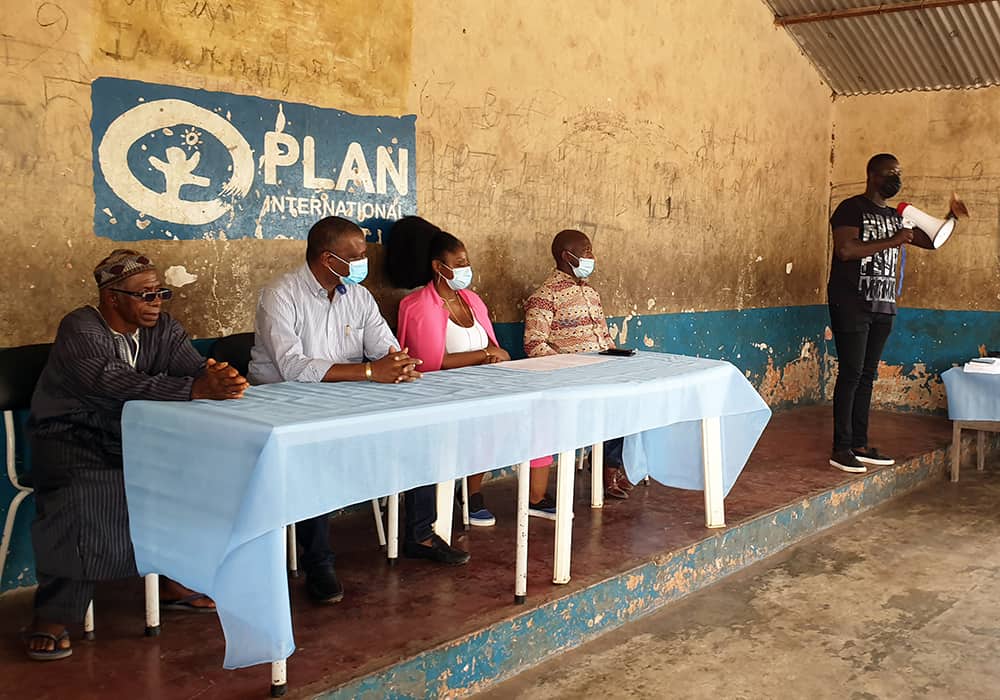
For example, Plan has sponsorship programming in Guinea-Bissau, where only 52% of children under the age of 5 have had their births registered. So, Plan partnered with the country’s Ministry of Justice to launch a birth registration campaign in the rural communities of Bafatá and Gabu, two regions with the lowest birth registration rates in the country.
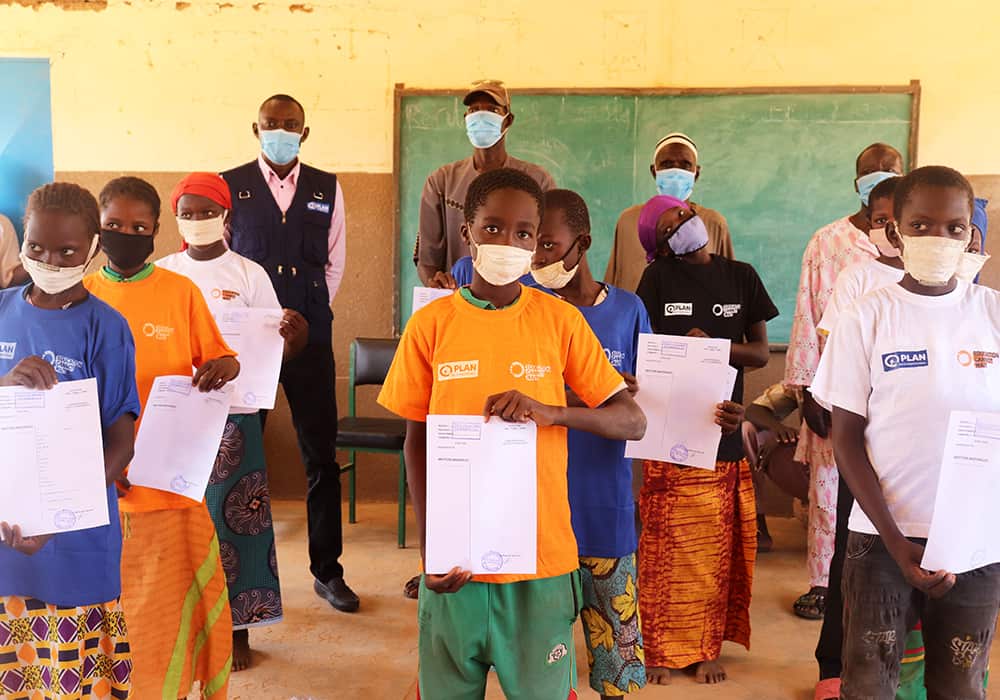
Meanwhile in Burkina Faso, where more than 2 million people have had to leave their homes due to violent conflict, Plan works with communities to help children acquire their birth certificates so they can go back to school.
You can learn more about refugee crises across the world, how girls and women are uniquely affected, and ways to help here.