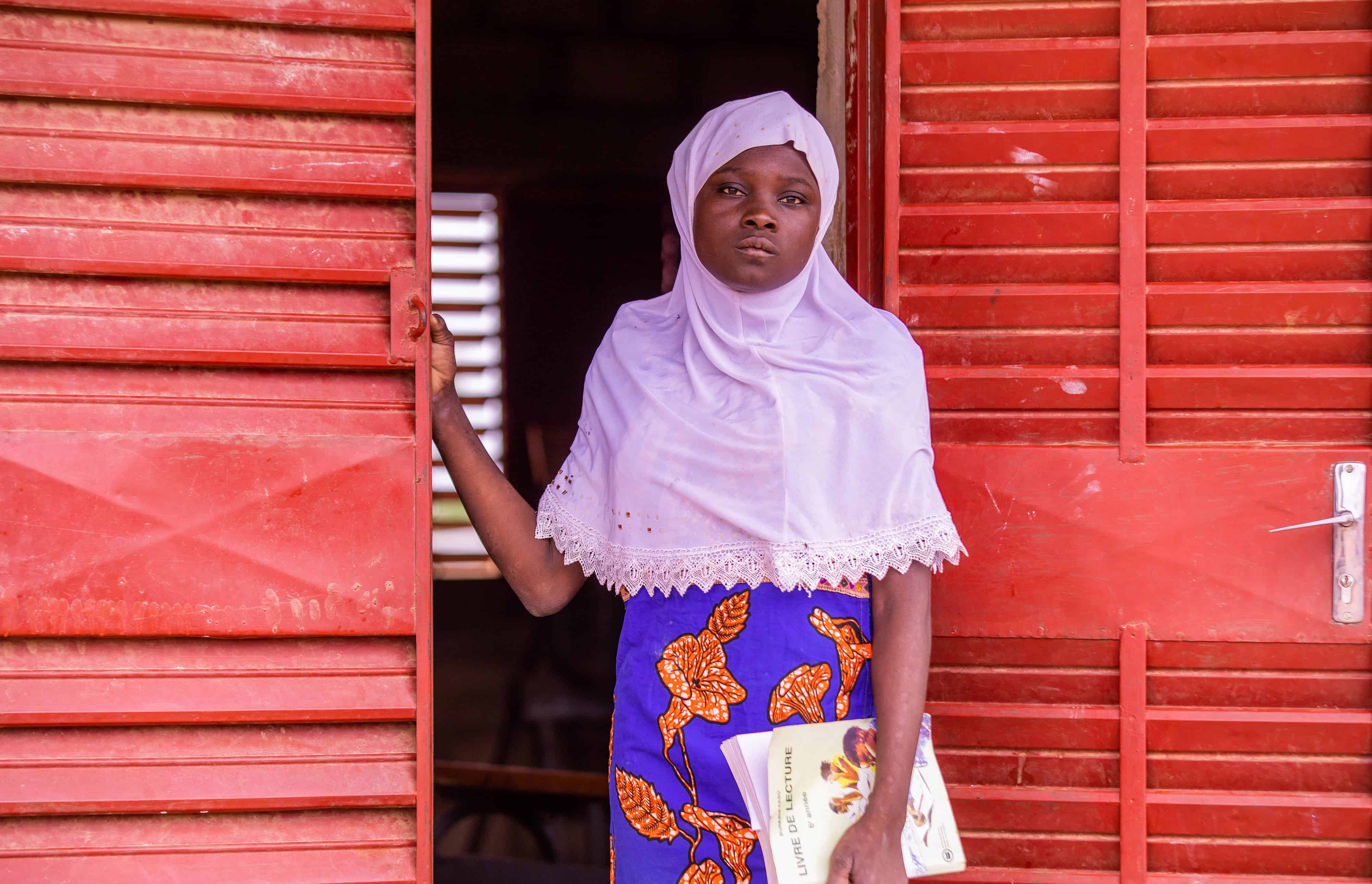
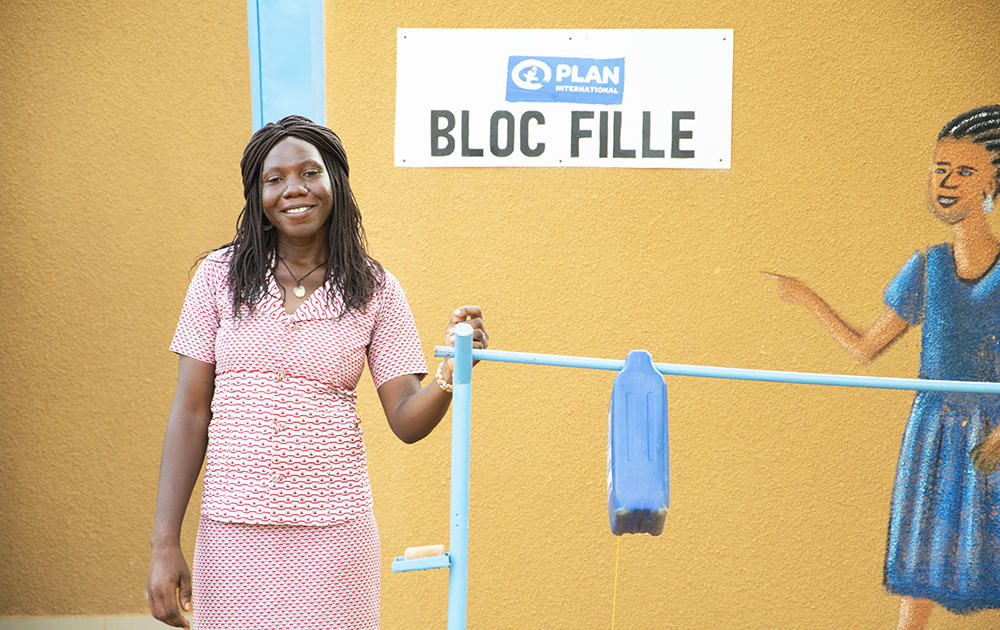
As a teacher in Burkina Faso, Georgette is all too familiar with the barriers that keep girls from coming to school. Family pressures, like housework and forced marriage, always loomed over her female students. But recently, something happened that substantially improved girls’ attendance: the construction of new school bathrooms.
“Before, there was nowhere for the girls to have privacy, as the latrines were mixed and there was no door,” Georgette remembers.
It simply didn’t seem like the school was constructed with girls and their needs in mind. As a result, girls avoided going to the bathroom at school when they could. But when they got their periods, it was unavoidable. So, they stayed home.
“Many girls would stay at home on their period, and some would end up dropping out altogether,” Georgette says. “It meant that many girls failed school, especially if their period coincided with exams or assessments.”
Unfortunately, Georgette’s students weren’t alone in facing this problem. For girls around the world, bathrooms are a significant barrier to attending school.
To start, some schools don’t have a bathroom at all. The facilities were never built, or, in many cases, they were broken and never fixed. As a result, students and teachers have to relieve themselves outside, using whatever privacy they can find.
That’s hard enough on its own. But even schools that have functional bathrooms can present problems for girls.
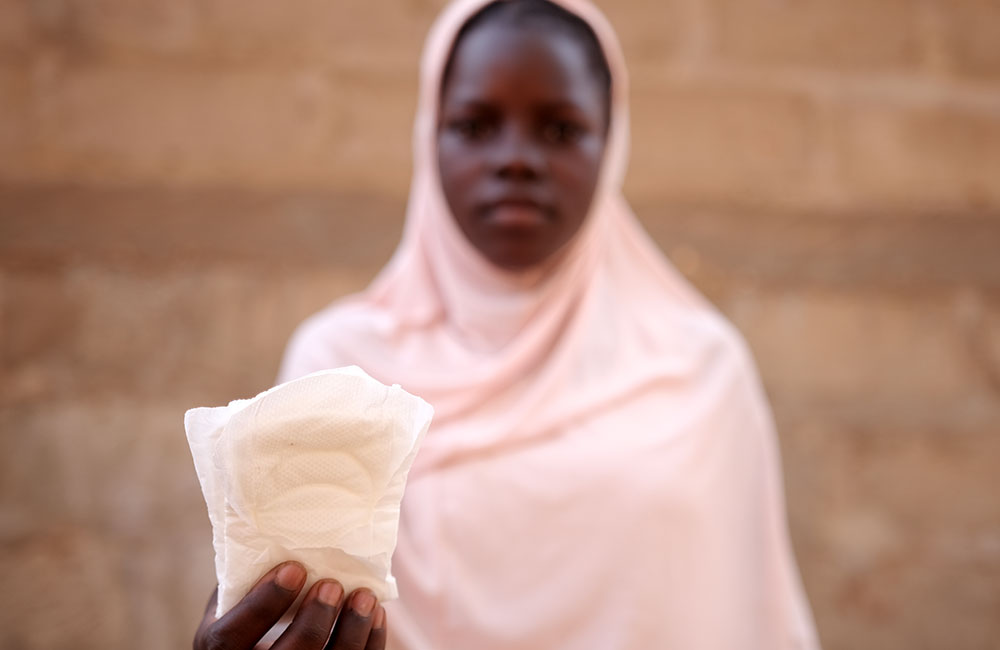
Girls who are on their periods need privacy to change pads, and a place where they can throw them away. At a minimum, they need a private area with a door that locks and a trash can. Ideally, there’s running water and access to free period products, too.
Without these basic necessities, girls can be vulnerable to violence, and unsanitary conditions can lead to toxic shock syndrome and other kinds of infections. Then there’s the emotional toll.
Have you ever used a public restroom with a broken latch on the door? It’s an anxiety-inducing experience. You worry about someone walking in on you by accident. Or worse, walking in on purpose.
There’s also the stress of being on your period at school. Without the right products and care, you might worry about bleeding through your underwear and staining your school uniform. In some of the schools where Plan works, students are required to keep their uniforms clean and neat. If a teacher notices a stain, you might be sent home for the rest of the day. And, you might get teased by your peers.
[Read: True story: My first period]
This kind of discomfort and fear of violence can be enough to make a girl stay home from school while she’s on her period. Meanwhile, the lack of safe bathrooms at school sends girls a clear message: This place isn’t equipped for you — you don’t belong here.
In a very real way, building bathrooms at schools can show girls they deserve an education.
Awa is a 13-year-old girl at Georgette’s school in Burkina Faso, where Plan helped to build a new block of latrines. She says it’s made a big difference for her and the other students.
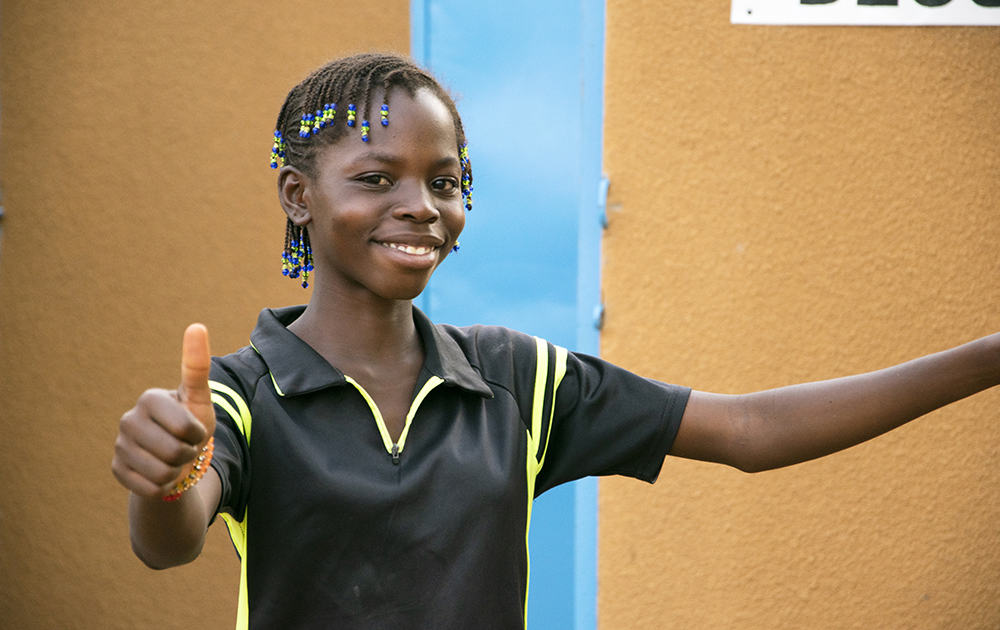
“When I first came to this school, the latrines were bad,” Awa says. “There were no separate latrines for boys and girls — now the latrines are amazing, and we can stay in school when we have our period. We just change our pads in the latrines and go back to class.”
Thousands of miles away in Bangladesh, teacher Fazlur Rahaman says that his school saw similar positive changes when they built a new bathroom.
“Before, maintaining menstrual health was difficult for our girl students,” he says. “They used to be absent from class during their periods. They also used to feel shy to go to the market to buy menstrual pads.”
Plan implements a Safe Schools project with Fazlur’s school, which works with the school community to ensure that children have access to safer learning environments. At a Safe School meeting, a group of students requested the construction of a bathroom where girls could safely and securely manage their periods.
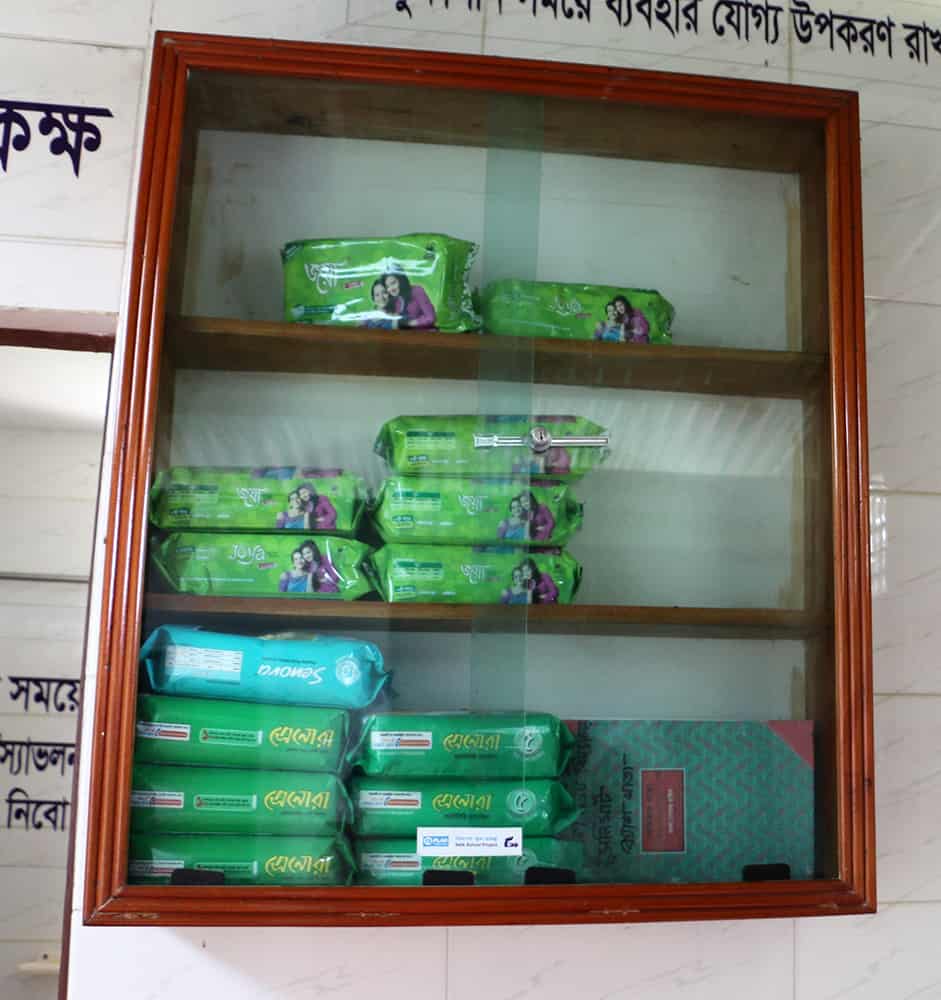
So, Plan and the school agreed to build washing facilities, and the girls used their own funds to set up a “SaniMart” in the bathroom, where girls can easily purchase menstrual pads. Now girls feel much more confident about coming to school during their periods, and attendance has increased.
In addition, a committee led by a female teacher has been formed to manage the SaniMart and ensure it is regularly stocked. Girls are also encouraged to discuss their menstrual health, and modern waste management facilities have been installed to dispose of used pads.
Building a school bathroom can be a huge step forward for gender equality. A private, clean bathroom shows that girls belong at school, and that their needs matter. It sends the message that their periods aren’t a burden or an unmovable obstacle. They’re a natural part of life.
Georgette believes that every girl in Burkina Faso deserves the chance to go to school.
“I would like everyone to know that girls, too, can build the country like men,” she says. “What men can do, girls can do too. There is a saying that ‘to educate a girl is to educate a nation.’ I want all girls in Burkina Faso to attend school.”