From early sponsorship to community leadership, Jessica’s story shows how girls’ education creates long-term change.
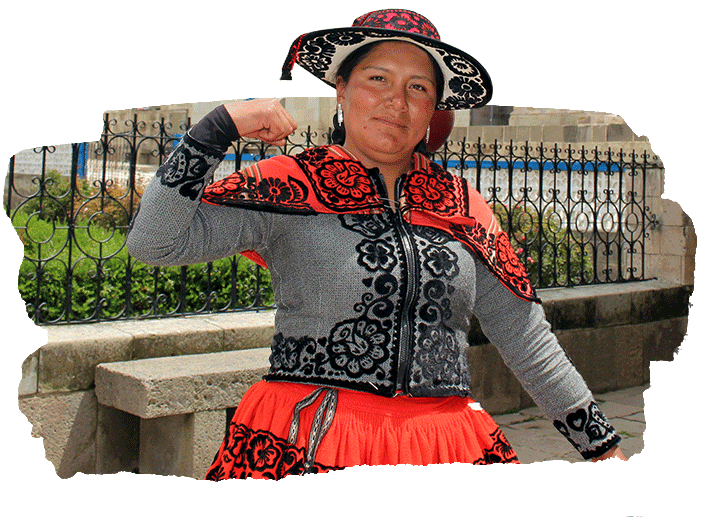
Rights written into law do not automatically change a girl’s life. Girls’ education is how girls gain the knowledge, safety and opportunity to claim their rights — and how tomorrow’s women gain the power to lead.
Each year on March 8, the world marks International Women’s Day — a global call for rights, justice and action for women and girls. International Women’s Day 2026, which calls for “Rights. Justice. Action. For ALL Women and Girls.”
Yet around the world, legal rights for women remain incomplete or unevenly enforced. Globally, women hold only 64% of the legal rights afforded to men. Even where laws exist, barriers such as violence, poverty and discrimination prevent girls from fully exercising those rights.
Justice begins long before adulthood. It begins when girls have safe access to school, strong child protection systems and the support they need to stay enrolled.
Girls’ education is one of the most proven ways to advance women’s rights, strengthen community development and build more stable societies.
When girls stay in school, they are more likely to delay early marriage, participate in the workforce and contribute to civic life. When girls are protected from violence and supported through adolescence, their opportunities expand.
Education turns rights into reality.
From early sponsorship to community leadership, Jessica’s story shows how girls’ education creates long-term change.
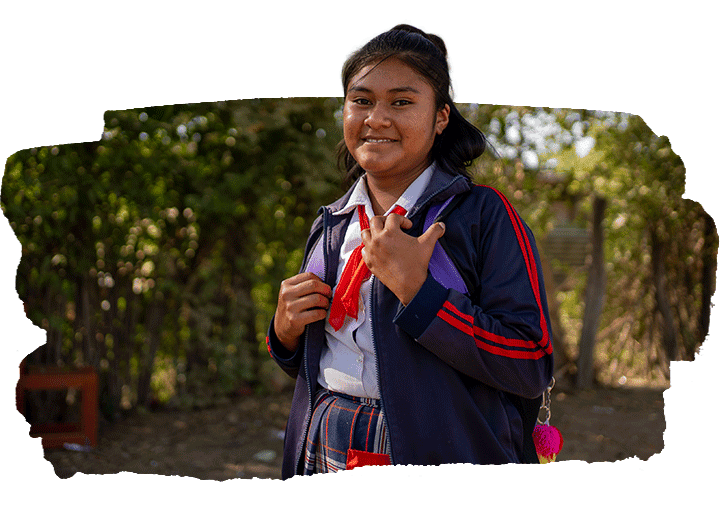
Why girls’ education and women’s rights are inseparable — and why education is the foundation of justice.
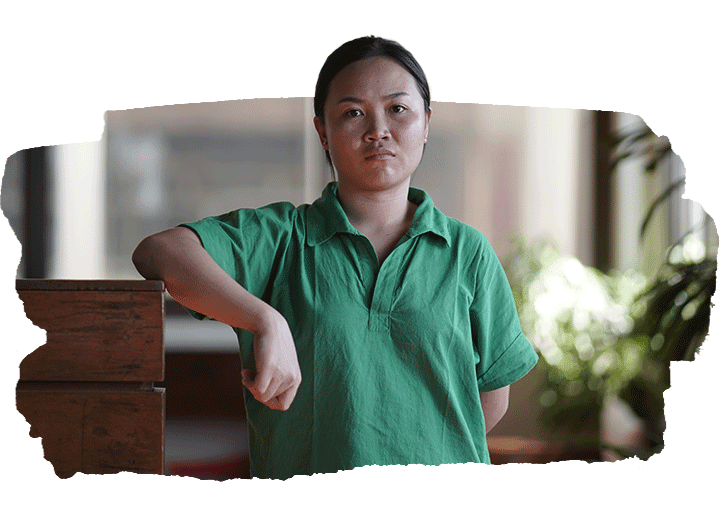
Aprille’s journey shows how girls’ education builds confidence, voice and civic leadership long before adulthood.
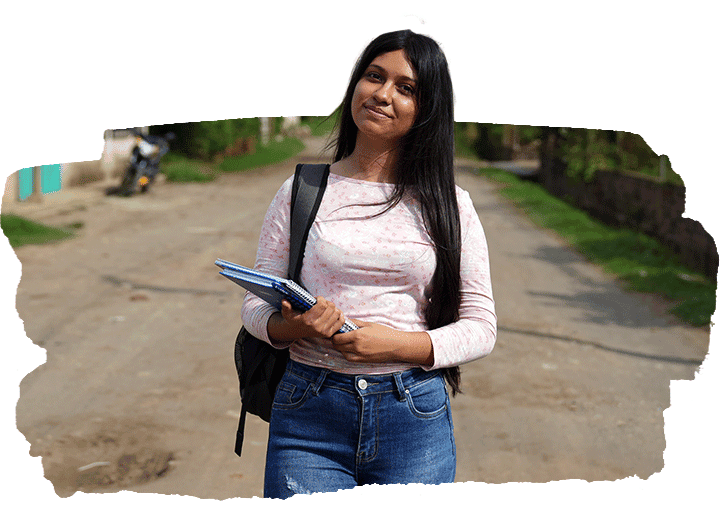
For 18 years, Plan International followed the same group of girls across nine countries. The findings reveal how girls’ education, protection and opportunity shape women’s futures.
When girls are pushed out of school, the consequences extend far beyond the classroom.
Closing gender gaps in workforce participation could increase global economic output by up to 20%. Peace agreements are more likely to last when women help shape them. Communities are more stable when women have secure incomes.
Education builds the foundation for that participation.
When girls learn, women lead.
When women lead, societies are stronger.
Progress does not protect itself. Gains that took decades to build can be undone quickly.
Conflict, climate shocks and backlash against women’s rights threaten hard-won advances.
Without sustained investment in girls’ education and child protection, progress can stall — or reverse.
Justice is not a one-time achievement. It is a commitment.
It begins with every girl’s opportunity to learn.
It endures when we protect that opportunity over time.