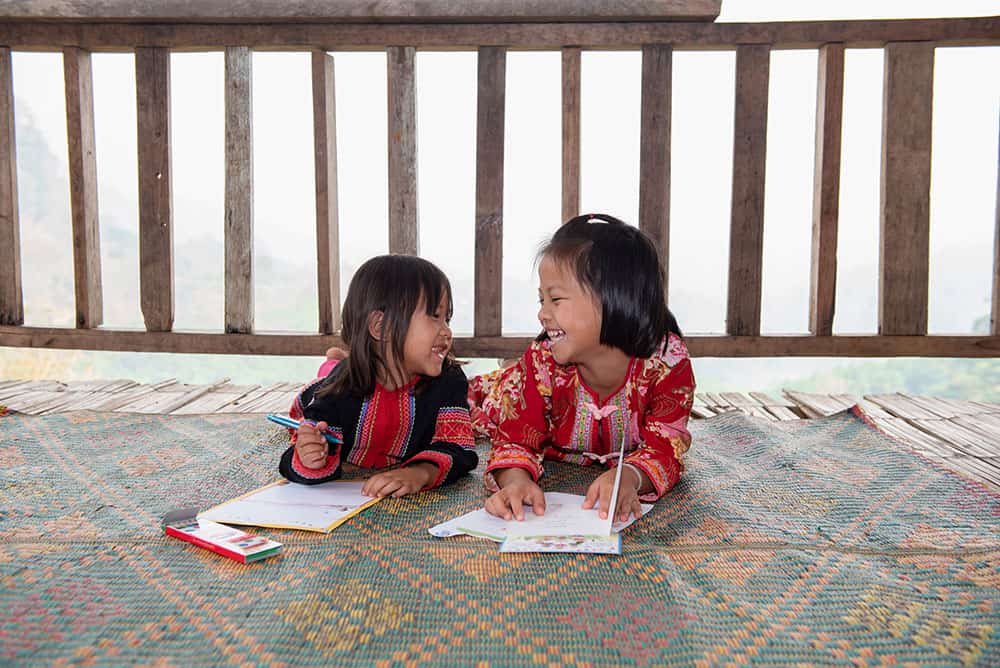
Child sponsorship is a popular way that a lot of charities fund their work. When you’re corresponding directly with a child whose life you’re impacting, it’s easy to understand how your gift is making a difference. But critics point out that this relationship can set up an unequal dynamic between “donor” and “beneficiary” countries. So, does sponsorship do more harm than good?
Sponsorship at Plan
Plan USA has been operating child sponsorship programming for more than 85 years, starting with our founders: John Langdon-Davies, a British war journalist, and Eric Muggeridge, a refugee worker. During the Spanish Civil War, John and Eric began evacuating children to safe houses to protect them from violence. Many of these children were orphans. In order to fund this work, John and Eric started recruiting “sponsors” to support the children, eventually launching Foster Parents’ Plan for Spanish War Children in 1937.
Read: A glimpse into Plan’s history: 1949 Impact Report
That organization evolved into today’s Plan International, a network of more than 80 countries fighting for girls’ rights and gender equality. In 2022, donors sponsored more than 1.2 million children around the world.
Benefits of sponsorship
For Plan, sponsorship programming absolutely works as a way to fight global poverty and gender inequality. Sponsors’ monthly gifts provide a reliable, flexible source of funding for a wide range of programs led by local leaders designed to improve their communities. In fact, findings from a 2019 study show that Plan’s sponsorship programming is positively linked with key development outcomes. According to this research, sponsored children are more likely to attend school, have access to clean water and experience psychosocial well-being.
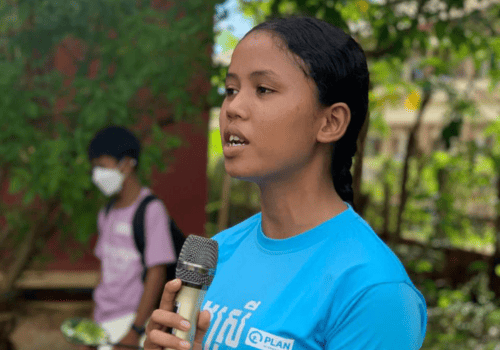
But the benefits also extend beyond the sponsored child. For every year that Plan runs sponsorship programs in a community, school attendance in that community increases. Similarly, children are more likely to have access to improved water and sanitation in communities where Plan has worked for longer.
Sponsorship benefits child sponsors, too. The model offers a tangible way for donors to understand their impact. In addition to knowing that sponsored children are more likely to go to school, you can also hear from your sponsored child about their school and what they’re learning. You’re getting a firsthand report on your impact.
Read: Don’t write it off just yet: The lost art of letter writing
This relationship also encourages people to go beyond their comfort zones to understand other cultures. While you might celebrate Easter, your sponsored child might celebrate Ramadan. You might ask about the different types of food that your sponsored family’s child grows and eats for dinner, and get to share with them what you like to eat. Or, you might practice how to say a few words in your sponsored child’s language. It’s a way to learn more about the world.
Common criticisms of sponsorship
Over our 85+ years of implementing sponsorship programming, we’ve heard a lot of different criticisms of the model. At Plan, we don’t shy away from those criticisms, and we continually evaluate and seek to improve our sponsorship program so that it makes the most positive impact possible on children and their communities. Here are a few common critiques, and how we’ve responded.
1. Sponsorship programs don’t encourage families to transition out of poverty.
This is a version of an even more common criticism of any kind of aid program: If you keep giving a man a fish, what motivation does he have to learn how to fish himself?
It’s a valid concern — and, it’s why we carefully craft all Plan programs with an end in mind. We don’t want to be around forever. In fact, we’re constantly trying to work ourselves out of a job. We’re working to create a world where we’re not needed. And, we know that the only way to create that world is to share what we know.

Some of our proudest days are the ones when we leave a community. Recently, we made the decision to shut down sponsorship programming in Thailand after more than 40 years — not because the program was a failure, but because it was a success.
Read: Time to say goodbye in Thailand.
Over the past several decades, Thailand has made enormous strides: Stable economic growth has helped to reduce poverty levels from over 65% in the 1980s to below 10% in 2018; 95% of children now complete primary school; over 98% of the population has access to safe drinking water; the health system has improved; and legal frameworks have been created and implemented for the protection of children and young people.
That’s not to say there isn’t more work to be done. In fact, we still work in Thailand on other projects, such as supporting girls and families migrating from Cambodia and Myanmar, and helping people access their rights through citizenship. But we made the decision to end our sponsorship program because we’re confident that the work in those communities can — and will — continue on without us.
2. Letters exchanged between sponsors and sponsored children can be culturally inappropriate.
Child protection is always our first concern, and this is absolutely a risk that exists in sponsorship. That’s why we are proud to have some of the most thorough review processes among our peer organizations when it comes to monitoring correspondence between children and sponsors. Every letter goes through multiple reviews by Plan staff members, and when we find something that might make the recipient feel uncomfortable, we make sure to communicate with the sender to get a revised version. We believe that these conversations are a critical part of Plan’s role in facilitating cross-cultural understanding and learning.
3. The child sponsorship relationship is paternalistic and perpetuates inequality.
This criticism gets to the core of ethical international development, and it’s why we’re passionate about decolonizing aid. By definition, philanthropy and charitable giving are relationships of inequality, at least financially. When this happens on a large scale, it begins to resemble the colonial systems of the past that many former colonies are still trying to recover from today.
Plan is an organization dedicated to achieving gender equality — we can’t deconstruct inequality if we’re still perpetuating it ourselves.
Read: Girls lead the way with GirlEngage
That’s why we are so dedicated to sharing power through our GirlEngage approach. We approach every project with the knowledge that we don’t have all of the answers. In fact, if we want girls to understand their power, it’s not enough to simply tell them that they have power. We need to show them they are powerful, and that their opinions matter to us, by sharing our power with them as we design and implement projects.
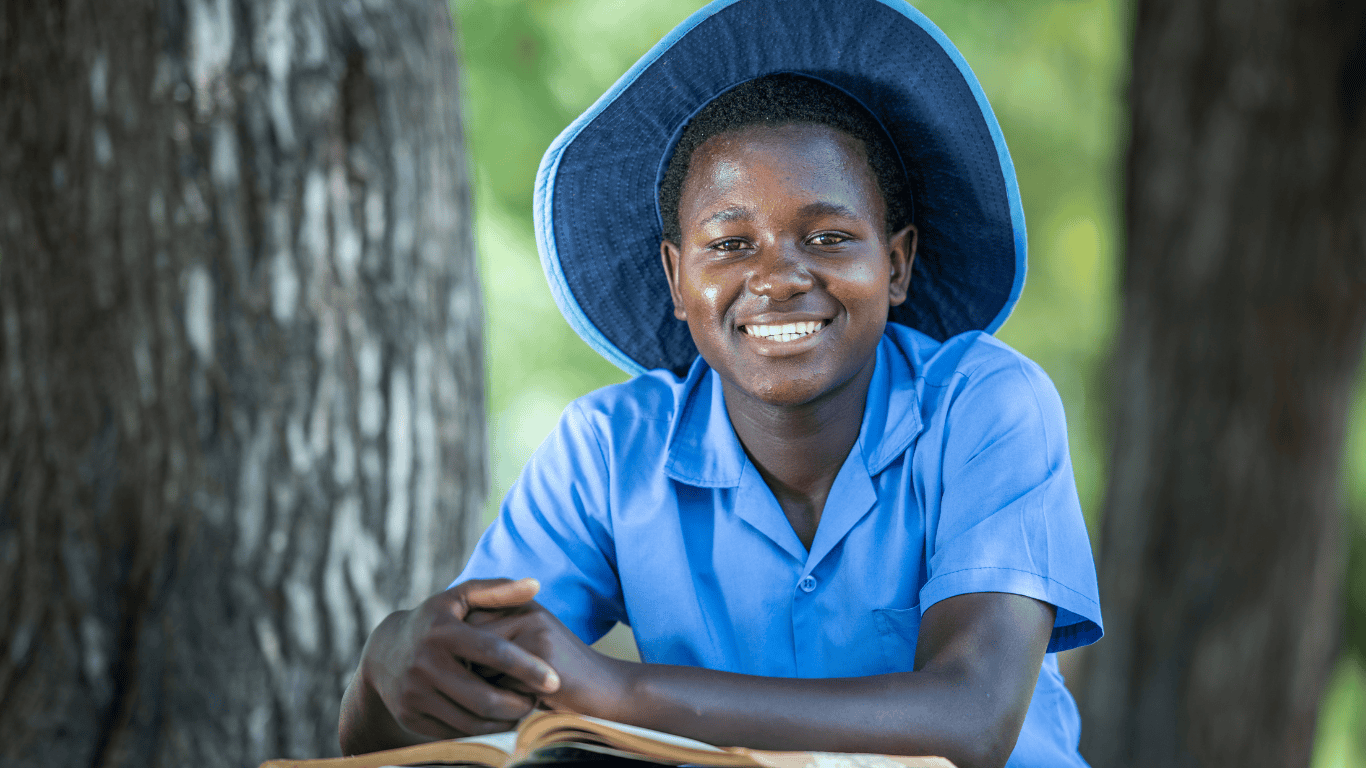
Sponsors’ ongoing support is what provided Plan with the stability and flexibility needed to develop this approach — and sponsors continue to support this kind of innovative programming.
That being said, sponsorship is not the only way you can support Plan’s girl-led work. As a We Are the Girls Activist with Plan, you can give and then see how your support is making a difference by following along with the progress of a featured project. If you’re interested in supporting girls’ rights and gender equality, but don’t like the one-on-one approach of sponsorship, this might be the right option for you.
No matter which option you choose, your support for Plan will fund projects designed alongside girls and their communities to address their most pressing challenges. And, you’ll be advancing programming that is community driven — so that, together, we can make equality a reality.