When refugees from Ukraine make it across the border, they’re finally safe from the bombs and gunfire. In shelters with other refugees, they can rest and recover from their long journeys, while figuring out where they might go next, and wondering if they’ll ever return home.
But the memories of what they experienced won’t just disappear. They can get buried deep in one’s psyche, and create crippling mental health issues, often for the long term.
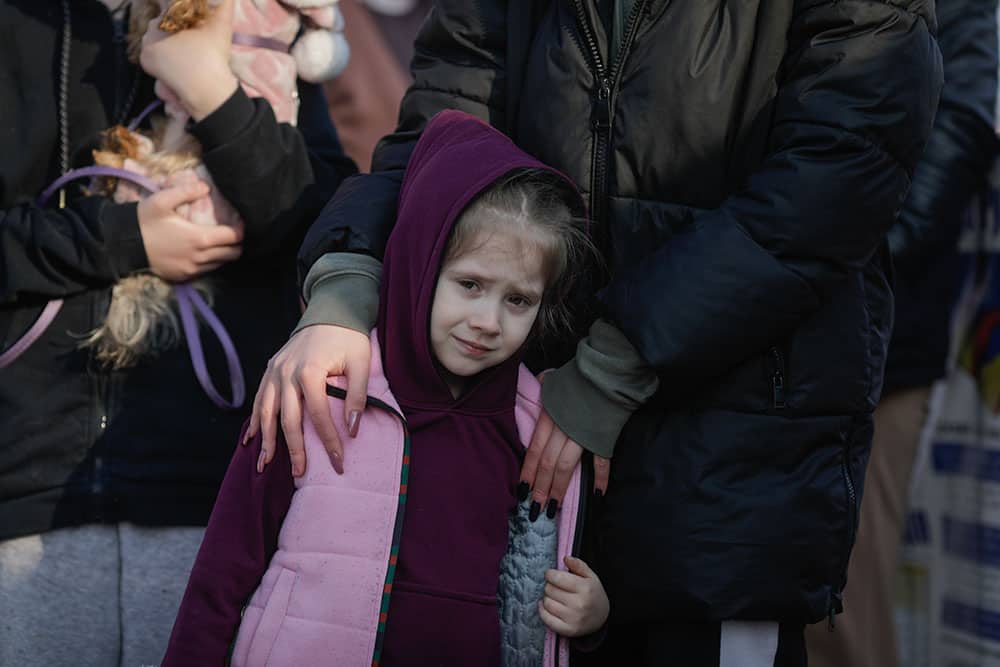
This is especially true for children. They’ve been through the unimaginable over the past several weeks — thousands forced to trade their bedrooms for bomb shelters, basements and subway stations to stay alive. Millions more have fled, leaving behind everything they know and saying goodbye to fathers and older brothers who stayed to fight.
[Read: Photo Story: Through the eyes of Ukrainian refugees]
This is a traumatic experience for anyone. But can you imagine going through this as a young child?
Viorica is a psychologist working in one of Plan’s mobile units at a refugee center in Moldova. She tells us that she’s seen many children suffering from emotional distress.
“A 3-year-old boy heard the sound of a drill, and he was completely hysterical because he had an experience with a bomb that exploded in front of him when he was on his way home from kindergarten in Ukraine,” Viorica says. “He immediately started screaming and looking for his mother, who wasn’t around at that moment. He was always trying to be with his mother because he didn’t feel safe anywhere else.”
Conflict and displacement can cause children to suffer nightmares, flashbacks and emotional distress. They may develop anxiety, experience memory loss or have trouble concentrating. Some act out with aggression and behavioral problems, while others cry often or develop an excessive focus on death and mortality.
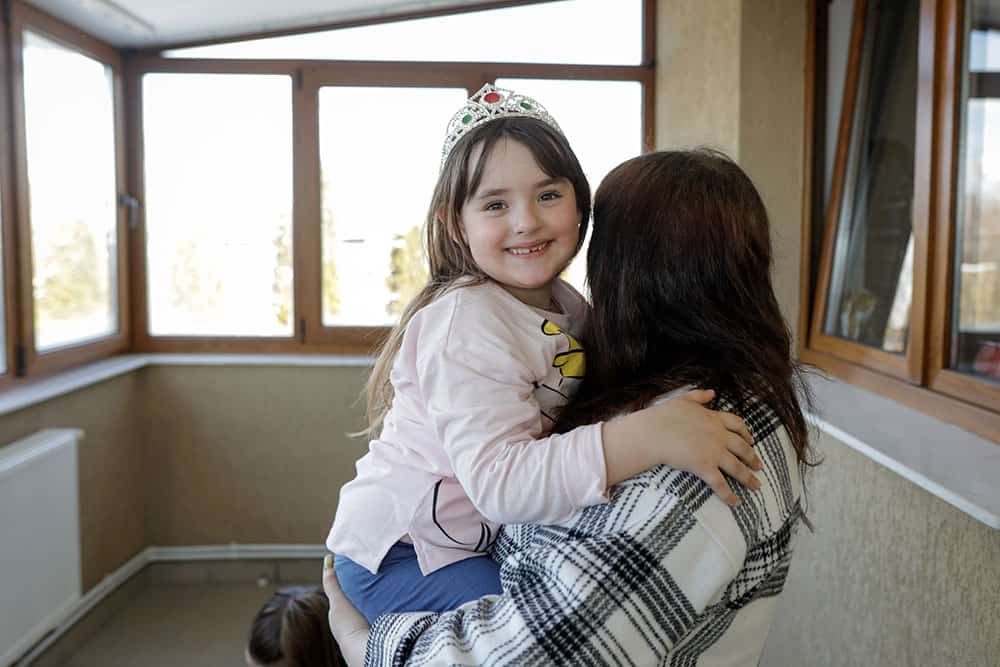
Immediate support can help prevent long-term post-traumatic symptoms. That’s why psychosocial services are one of Plan’s top priorities in the refugee centers. Our team is providing individual and group therapy sessions for children (as well as caregivers, many of whom are mothers traveling alone and in distress themselves).
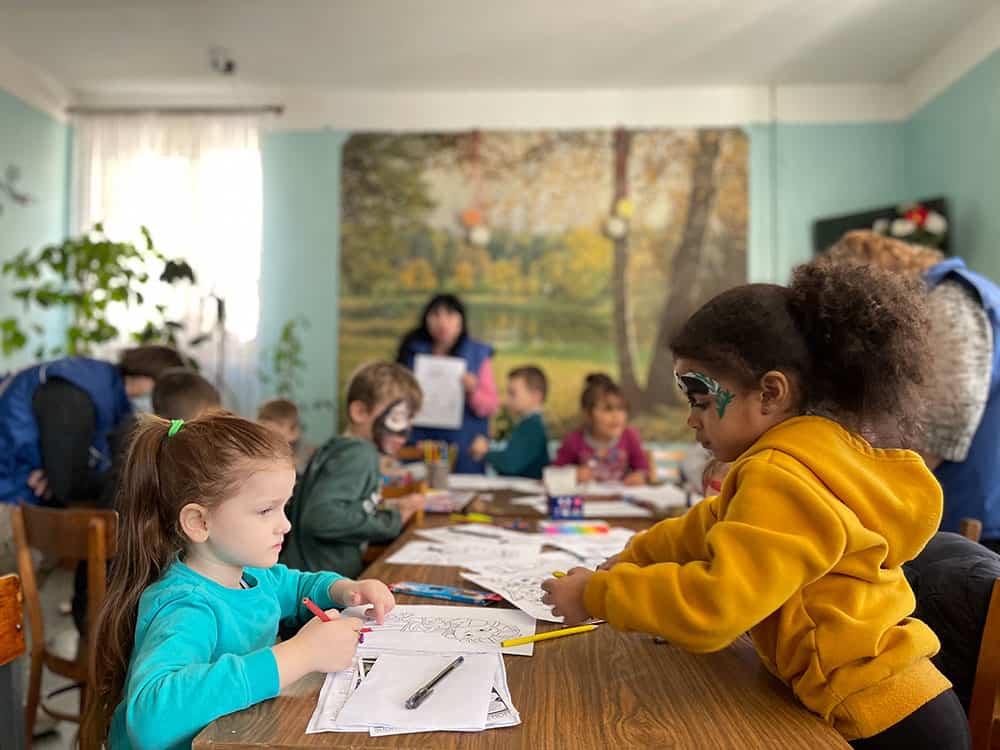
When it comes to children, one important element of the therapy sessions is creating space for something they haven’t had in a while: fun.
“We do fairy tale therapy, singing, drawing and modeling with the materials that we have,” Marina, another psychologist working with Plan who fled Ukraine herself, tells us. “Singing is especially useful, because children can detach themselves from where they are and what they have gone through.”
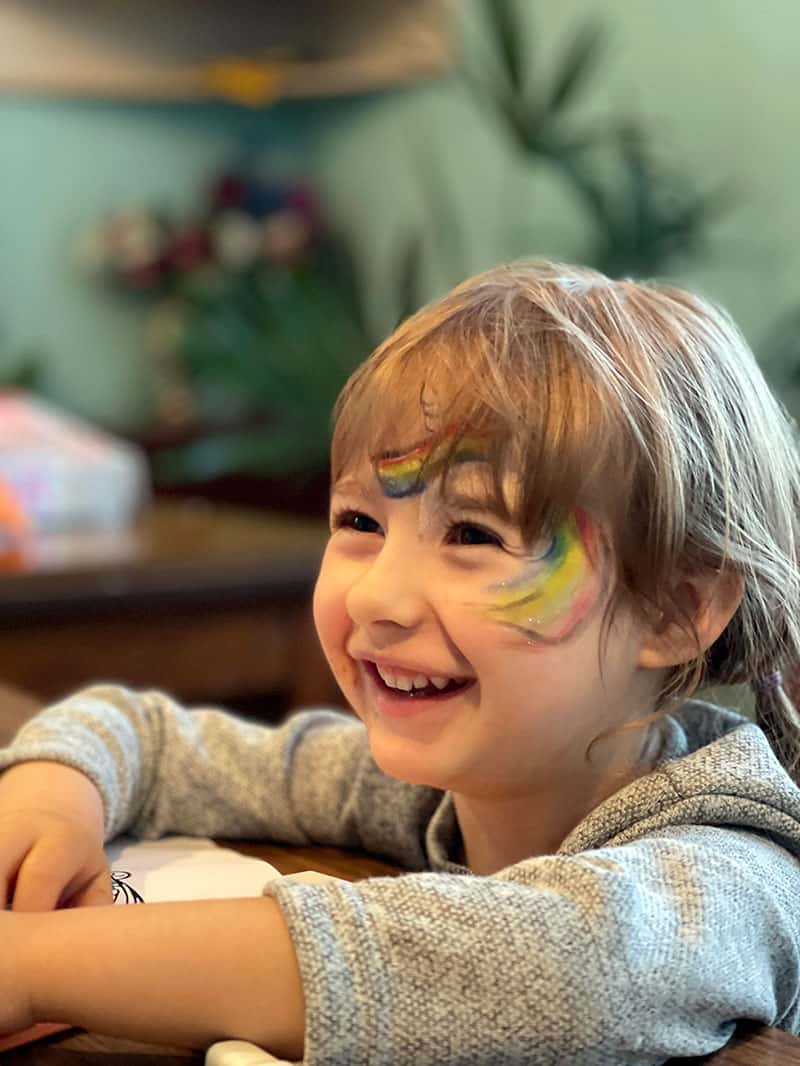
These play-based activities, along with physically active games and sports, help children process their experiences and emotions, adapt to their new circumstances and cope with stress. The activities also provide a safe space for them to relax, laugh and smile — to just be kids.
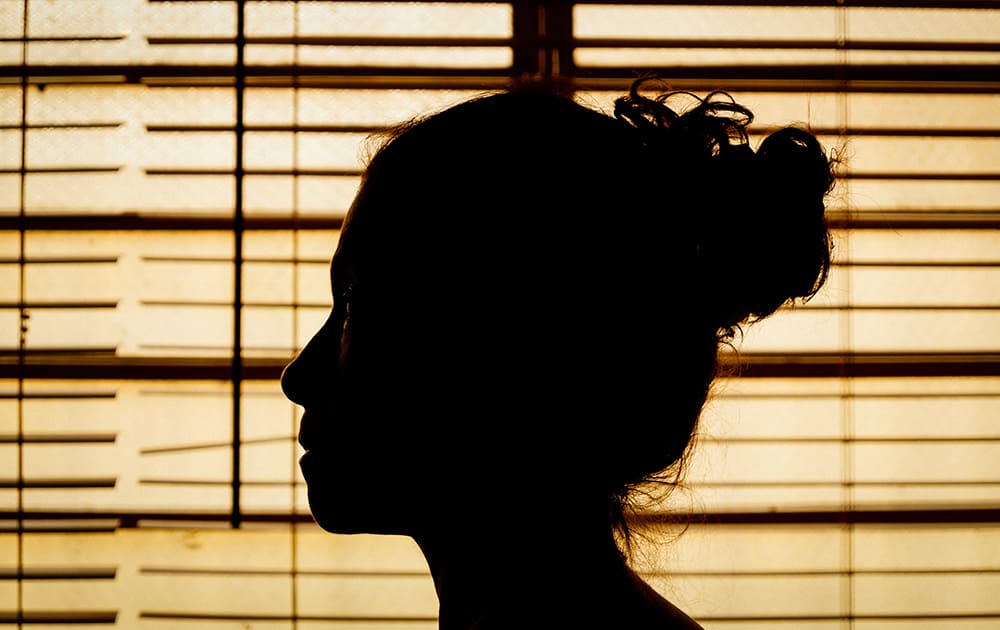
It’s important to remember that girls and young women fleeing Ukraine may experience unique forms of trauma and need specialized support. The U.N. warns of increasing reports of rape and sexual violence in Ukraine. Many pregnant women are facing the terrifying prospect of giving birth without proper medical care. And girls — especially those crossing the border unaccompanied — are extremely vulnerable to human trafficking, exploitation and abuse.
Children are resilient, but they aren’t immune to psychological damage, especially when it comes to violence and displacement. They need to have the right care and support.
Help us reach as many refugee children as possible. Your gift will allow us to continue providing crucial mental health services and protection to refugees from Ukraine. You can help more girls like Milana smile again and hold on to their childhoods.