Displacement emergencies: Global overview
Donate to make an immediate impact
Latest news highlights:
— The number of forcibly displaced people across the world who are fleeing violence, conflict and the effects of climate change, now exceeds 84 million, according to new reporting from the UNHCR.
— The UNHCR says that one in five refugee women or women who are internally displaced have experienced sexual violence. And since March 2020, there has been a global surge in child marriages, trafficking, domestic violence, sexual exploitation and abuse.
— New data from the United Nations shows that food insecure people are three times more likely to make plans to migrate than people who are not. According to The World Food Programme, it’s estimated that the number of food insecure people in El Salvador, Guatemala and Honduras grew from 2.2 million in 2019 to 6.4 million today. And, the U.S. Border Patrol reported that encounters with migrating people at the U.S.-Mexico border in 2021 more than quadrupled from 2020, reporting 1.6 million encounters (highest annual total on record).
— According to the International Organization for Migration, at least 650 people died while trying to cross the U.S.-Mexico border in 2021, more than any other year since 2014. And, a new study found that climate change is increasing the risk of death among people migrating to the U.S. — dehydration being the main cause.
More people are leaving their home countries to seek protection than ever before. Right now, there are an estimated 84 million people in the world who have been forcibly displaced, and 30 to 34 million are children. This is the highest number on record since World War II.
The true emotional and physical dangers that face girls and families who are forced to migrate are almost ineffable. These children are completely stateless, lacking even the most rudimentary safety nets, like a safe place to sleep or access to food of any kind.
Many girls and women leave everything behind because of sexual exploitation, threats of murder or gang violence. In Latin America, where rates of gender-based violence are the highest in the world, a gang member might decide to make your daughter his girlfriend. And when that happens, your only options might be to allow it or to run.
Girls who are migrating are walking through a nightmare. But they’re very much awake.
Migration through the eyes of a child: Real stories and dreams from Venezuela
In the largest exodus in Latin America’s recent history, there are more than 5 million refugees and migrants from Venezuela worldwide. Brutal violence, gangs, food insecurity and crime have driven 12% of the population to flee.
Plan International provides educational and psychological support for children who are migrating from Venezuela. We also distribute clothing, sanitation kits and food kits, and help identify and protect unaccompanied children. More than 180,000 refugees and migrating people from Venezuela have been reached through Plan programs.
As part of an art therapy exercise in a Plan child-friendly space, girls and boys from Venezuela wrote about their migration stories and created “future self portraits,” drawing themselves as pilots, nurses, chefs and more. Despite everything, they have not lost hope …
Marcela
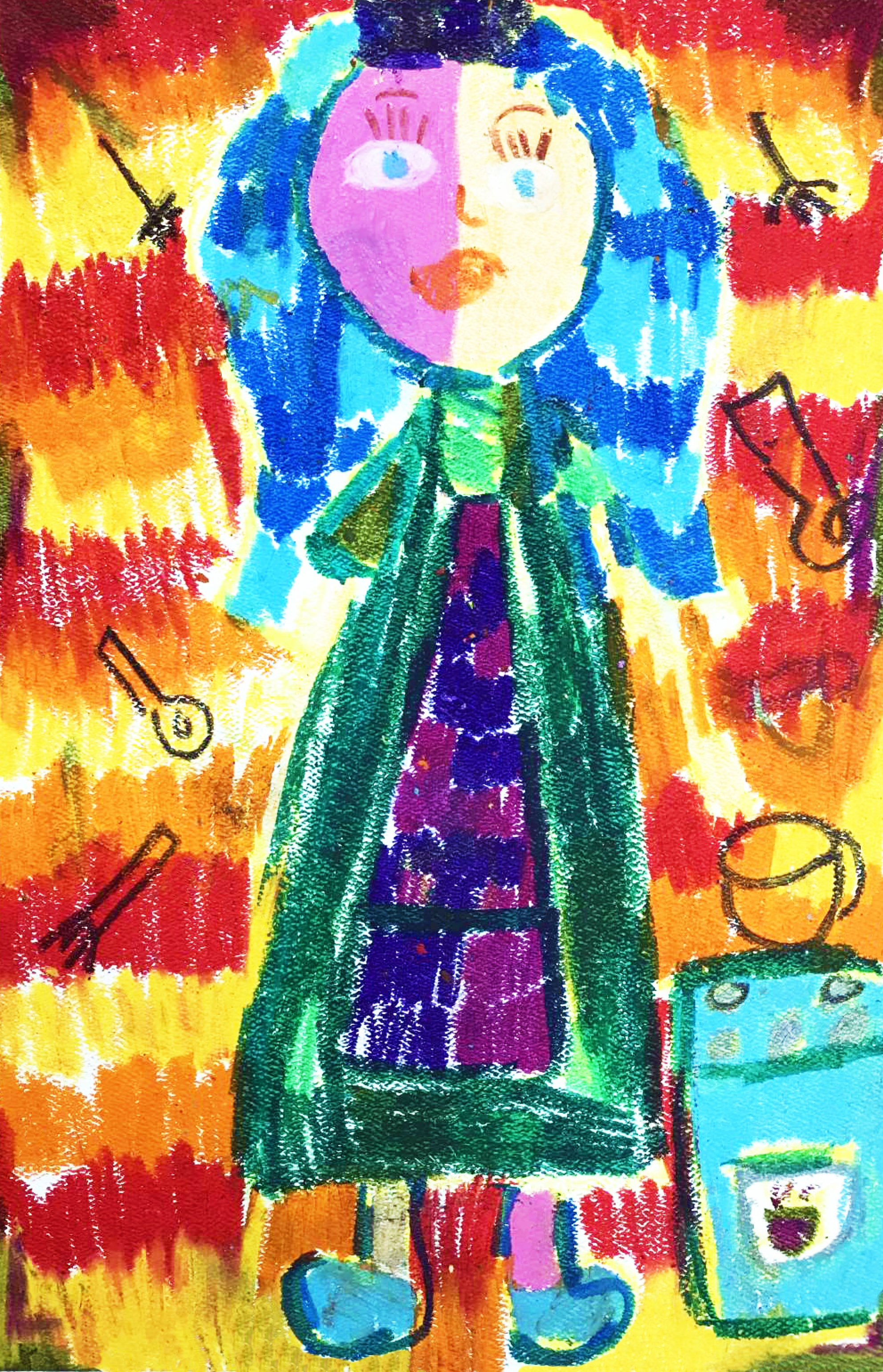
“Sometimes I feel sad because I feel guilty for my dad’s death … I opened the door and those bad people killed him … I have been very sad since I had to leave my family. I left alone by walking. I don’t blame anyone, though, I know it is not my fault that Venezuela is going through this crisis.”
Luis
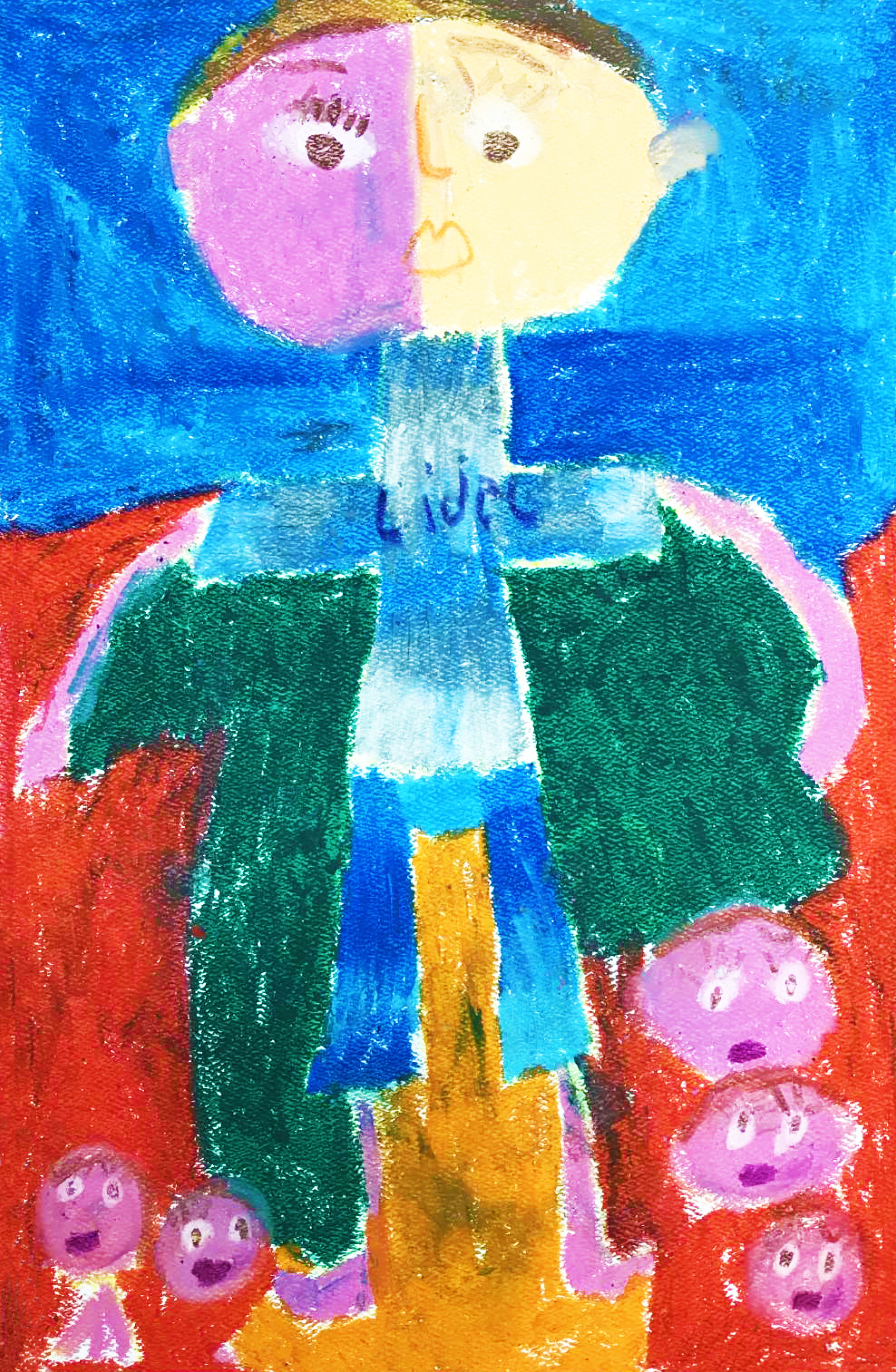
“I am a boy who came from Venezuela because I was going to be killed. That is why I am in Ecuador. I came on foot by walking. I came in order to change my life … My dream is to go to Chile and study at university so that I can work and send money to my mom. Right now, I don’t feel happy because my family is not near me. I wish I could have a little bit of peace — I could close my eyes, look back and only be happy. That is what I wish.”
Abraham
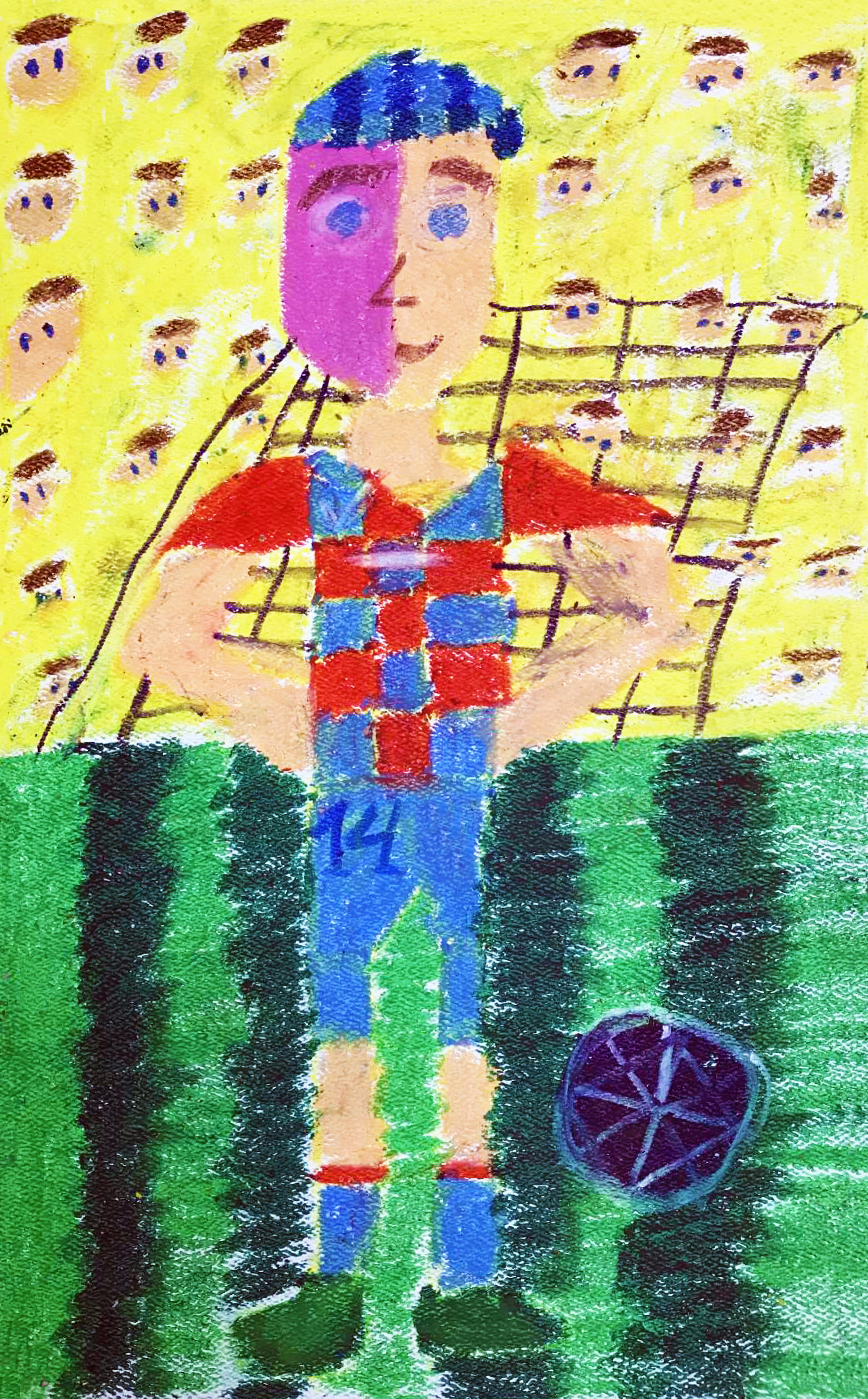
“I am Abraham, a Venezuelan that wants to follow every boy’s dream: to be a professional soccer player … But my situation is that I don’t have money to go to training … Why? I came here to Ecuador because in Venezuela there are no jobs or food … My father, who is currently on another continent, doesn’t have any money, so he can’t send us money to buy food. My mom has not been able to get a job, but she brings us food. I wish travel to Spain so that I can become a professional soccer player and have my own house.”
Jimena
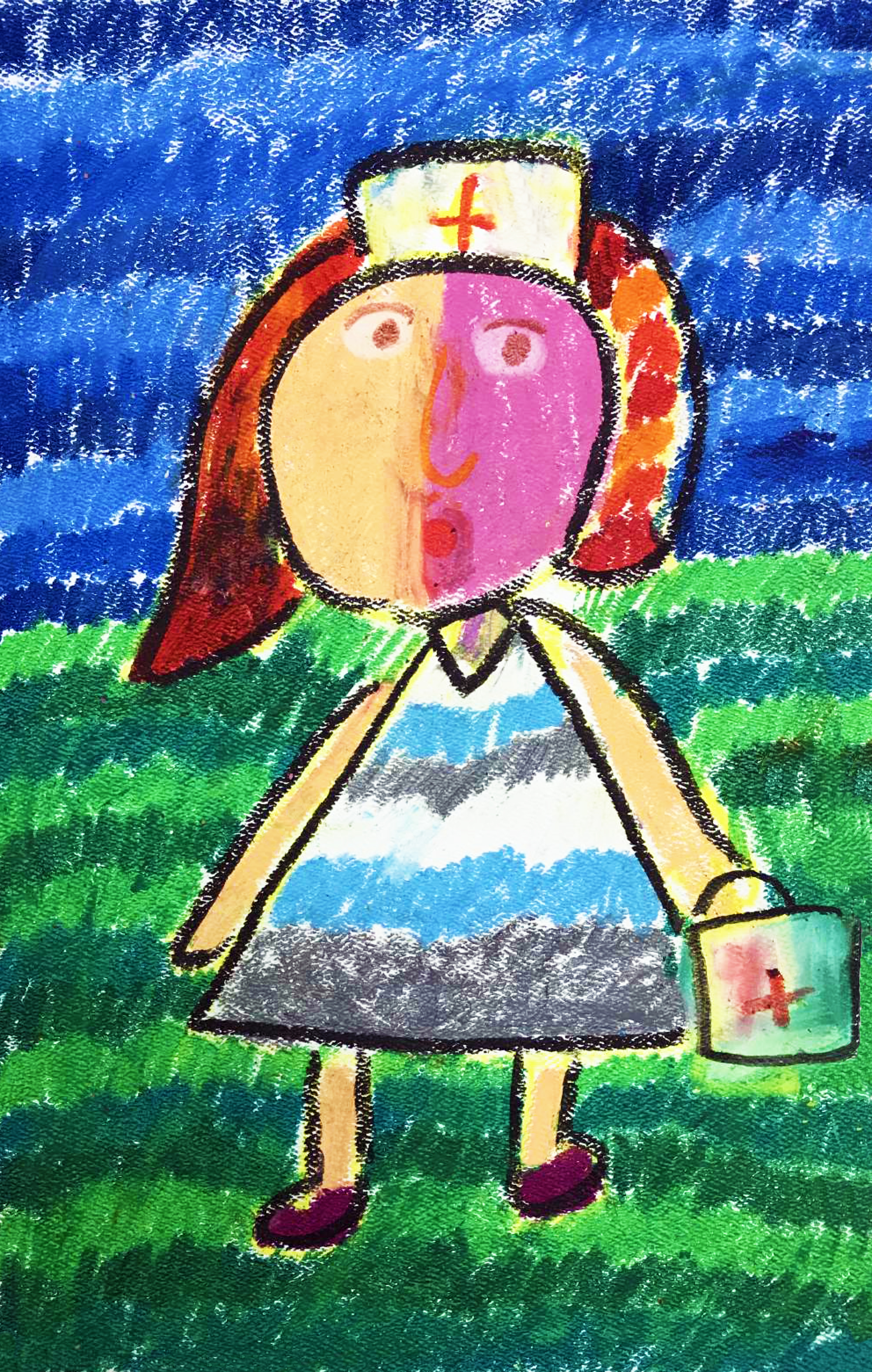
“I am a Venezuelan girl. My mom wanted to come to Colombia and then later on we came to Ecuador. When I was two months old, my dad was killed while my sister and I were asleep. We heard a noise and we started crying … Thank God we are alive. Now we have come to Ecuador.
I love you a lot, Venezuela.”
“you have to understand,
that no one puts their children on a boat
unless the water is safer than the land
…
i want to go home,
but home is the mouth of a shark
home is the barrel of the gun
and no one would leave home
unless home chased you to the shore …” — “Home” by Warsan Shire
Forced to flee: Jade’s story
“The threats didn’t stop after her husband left — they were just redirected at Jade.”
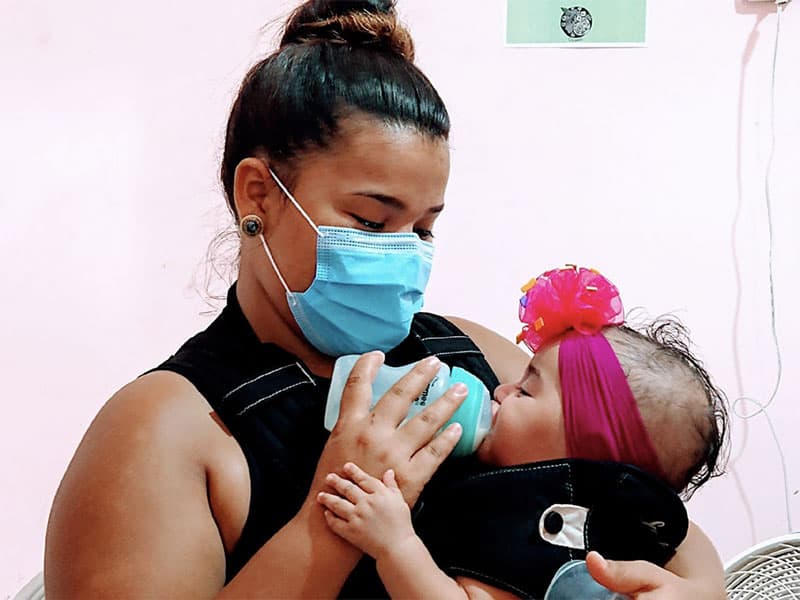
Jade is a 15-year-old living in Tapachula, Mexico. She is originally from Honduras, where she went to school through seventh grade. She dreamed of becoming a doctor.
Then, a series of events changed her life in 2020. She met the man who is now her husband, and the father of her baby. But also in 2020, Hurricanes Eta and Iota hit Honduras. Jade’s father lost his home and all of his belongings. She hasn’t been able to contact him since.
Meanwhile, Jade found out she was pregnant. Instead of continuing with school, she started working at a grocery store owned by her husband’s parents. They were making things work — until her husband started receiving death threats.
It’s not uncommon in Honduras, where gang violence and criminal activity are part of everyday life. The “maras,” or gangs, demand that men join their ranks, or that businessowners pay protection fees in order to operate. If you refuse, you risk violent retaliation.
The threats got so bad that Jade’s husband had to leave Honduras for his own safety, moving north to Mexico. He wasn’t there when Jade gave birth to their baby, a little girl she named Franchesca.
Worse, the threats didn’t stop after her husband left — they were just redirected at Jade. She began to worry that someone would hurt her or Franchesca.
So, Jade decided to join her husband in Mexico. The journey was dangerous, and she didn’t have nearly enough money, but she feared that staying in Honduras would be worse for her child.
When they finally arrived in Tapachula, Frachesca met her father for the first time. Jade and her husband hugged and cried together, reunited as a family.
Jade feels relieved to be back with her husband, but Honduras — and the people who threatened her — are still too close for comfort. She wonders if they’ll follow her here and hurt her family.
For now, Jade and her family are planning to continue north to another city, once their migration paperwork is processed.
In the meantime, Jade’s husband works as a barber while she stays home with the baby. When they have free time, they watch movies on their phones together. Once they settle down, Jade wants to open a salon with her husband.
“I never forget my goal of fighting, having a house, a business and continuing to study,” she says. “Being such a young mother is not easy, but it is not impossible, either. So, I try to get ahead, day by day, because my daughter needs me, and she can’t defend herself.”
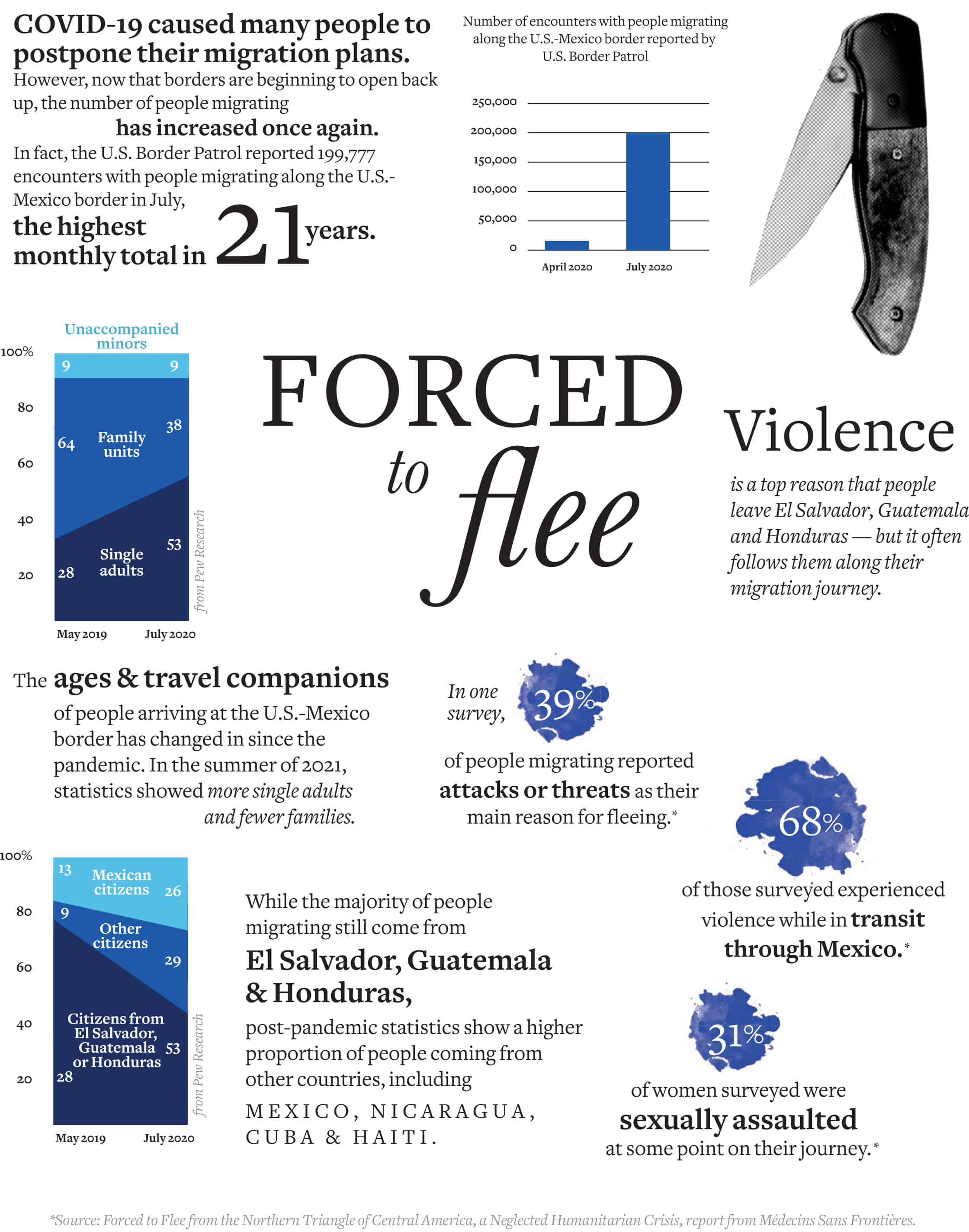
The scale of the global migration crisis is extensive. Here’s an overview of what’s happening with displacement emergencies in some of the countries and regions where Plan International works.
 Northern Central America: Due to gang violence, poverty, food insecurity and natural disasters, approximately 500,000 people from El Salvador, Guatemala and Honduras have sought refuge in neighboring countries. And more than 250,000 people have been internally displaced.
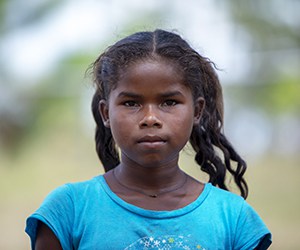
Haiti: A surge of tens of thousands of people migrating from Haiti are arriving at the U.S. border due to the devastating 2021 earthquake, as well as political instability and gang violence. More than two-thirds of Haitian people who have been sent back (without protection) after arriving at the U.S. border are children and women, according to UNICEF estimates. To learn more, read our blog, “Behind the headlines: Haitian families migrating in Mexico.”
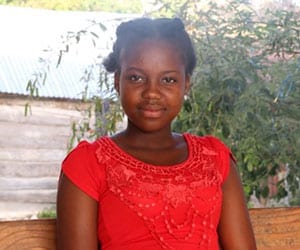
Venezuela: In the largest exodus in Latin America’s recent history, there are more than 5 million refugees and migrants from Venezuela worldwide. Brutal violence, gangs, food insecurity and crime have driven 12% of the population to flee, mainly to neighboring countries including Argentina, Brazil, Chile, Colombia, Costa Rica, Ecuador, Mexico, Panama, Peru and the southern Caribbean.
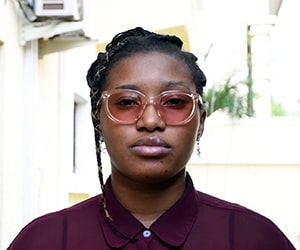
Nigeria: The violent Boko Haram insurgency has displaced nearly 2.4 million people. More than 2.1 million people are internally displaced, and more than 778,000 people have fled to Cameroon, Chad or Niger.
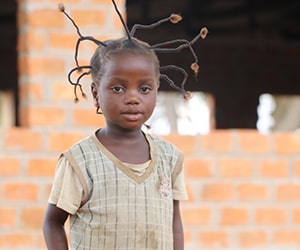
The Democratic Republic of Congo: Human rights violations in the DRC, such as sexual violence, arbitrary arrests and inhumane detention conditions, have caused more than 918,000 citizens to flee to neighboring countries, like Angola and Zambia. More than 5 million people are internally displaced.
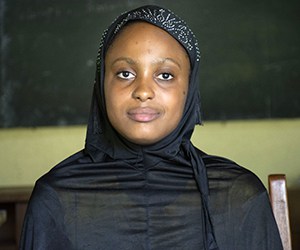
Central African Republic: Years of armed conflict and instability have led 640,000 people to flee to neighboring countries like Cameroon, Chad, DRC and the Republic of Congo. And 630,000 people have been internally displaced.
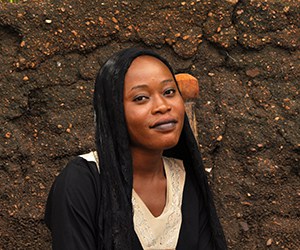
Sahel: In the Sahel region — Burkina Faso, Mali and Niger — indiscriminate attacks, violence against children and climate change have caused more than 845,000 people to seek refuge in neighboring countries like Mauritania and Chad. Nearly 2 million people have been internally displaced.
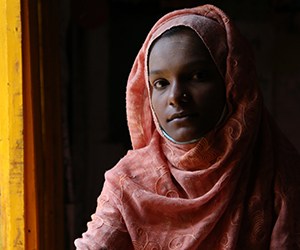
Myanmar: The Rohingya people in Myanmar have lived through years of discrimination, violence and denial of citizenship, forcing 742,000 people to seek refuge in Bangladesh. Most refugees are children and women.
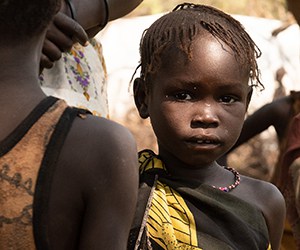
South Sudan: Violence and unsafe living conditions have led more than 2 million people to become refugees. Uganda and Sudan host over 800,000 refugees from South Sudan. This is the largest refugee crisis in Africa, and 63% of refugees are children.
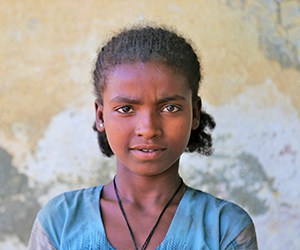
Ethiopia: Due to conflict between the Ethiopian government and rebel forces in the Tigray region, 45,449 people have fled into Sudanm, and 2 million people are internally displaced.
The girls pictured above alongside each country are not all girls who are refugees, displaced, migrating or asylum-seeking. Many girls who are migrating are not photographed so that their identities are protected.
You have an opportunity to make a real difference in the lives of real refugee girls, boys and families with Plan International USA’s Gifts of Hope. COVID-19 Response Gifts like Hygiene Kits, Newborn Kits or Protective Equipment for Healthcare Workers will help care for those who are migrating across Central America. Sanitation Kits will help refugee families in Nigeria living in crowded camps stay safe from disease. And supporting our COVID-19 response will help sustain Plan’s advocacy work for vaccine equity for all people across the world.